Europe Rejects Trump’s Demand for Strait of Hormuz Mission
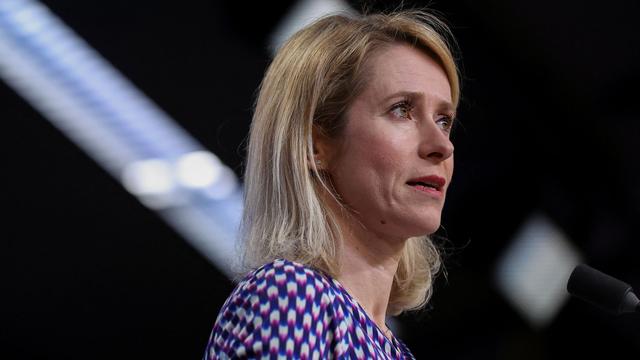
Following a request from U.S. President Donald Trump to secure the Strait of Hormuz, a critical waterway for global trade, the European Union and its member states have largely rejected involvement. France, Germany, the UK, and other EU nations have expressed concerns about escalating tensions in the Middle East and a preference for diplomatic solutions, dismissing the request as America’s problem to solve. This resistance reflects a broader divergence in strategic approaches between the US and its European allies regarding Iran policy and international security.
The core of the dispute centers on Iran’s control of the Strait of Hormuz, a vital artery for approximately 20% of the world’s oil shipments. U.S. President Trump’s insistence on securing the waterway stems from perceived threats to commercial shipping and escalating tensions with Iran, particularly following Iran’s seizure of tankers. However, European leaders, led by France and Germany, have voiced strong reservations, citing the ongoing conflict and bombardment in the region as reasons for caution. Several nations, including the UK and Germany, have explicitly stated that this is ‘not our war,’ prioritizing a diplomatic approach and avoiding a direct military confrontation. The EU’s naval mission mandate remains unchanged, and the bloc is focusing on alternative strategies, such as strengthening its existing Aspides mission in the Suez Canal, to address regional security concerns without directly engaging in a military operation. This rejection underscores a significant strategic divergence between the US and its European allies regarding the appropriate response to the complex geopolitical situation in the Middle East.
Summarized from the sources above. Read the originals for the full story.
Highlights
EU Rejects Trump's Hormuz Demand
European leaders overwhelmingly dismissed US President Trump's request to deploy warships to the Strait of Hormuz, prioritizing a cautious approach and avoiding involvement in the Middle East conflict.
France Prioritizes Diplomacy Over Military Action
French President Macron rejected Trump's request, stating France would only escort ships through the Strait of Hormuz once the situation stabilizes, emphasizing a diplomatic solution.
EU Focuses on Economic Risks, Not Military Intervention
EU foreign ministers discussed the economic and security risks posed by the Strait of Hormuz closure, rejecting a military mission and prioritizing the protection of trade routes.
US-EU Divide on Iran Policy Deepens
The EU's refusal to participate in securing the Strait of Hormuz highlights a growing strategic divergence between the US and its European allies regarding Iran policy.
Aspides Mission as a Strategic Response
The EU is bolstering its existing Aspides mission in the Suez Canal as a way to enhance regional security without forming a new, large-scale coalition to address the situation in the Strait of Hormuz.
Perspectives
- European leaders rejected Trump's demand for EU involvement in securing the Strait of Hormuz.
- The EU prioritizes a diplomatic solution over military intervention in the region.
- The Strait of Hormuz is a vital waterway for global oil shipments and a source of tension.
- EU member states are unwilling to engage in a conflict they perceive as primarily America's concern.
US President Trump believes the EU should actively participate in securing the Strait of Hormuz, viewing it as a critical strategic interest and a potential escalation of conflict.
New, EU, VRT NWS, BE, tagesschau, DE, Politico EU, EU
EU foreign ministers reject military intervention, prioritizing a diplomatic approach and avoiding entanglement in a conflict they deem not directly their concern.
EU, El Mundo, ES, ZEIT Online, DE, France24 English, FR, De Volkskrant, NL
The EU views Iran's blockade of the Strait of Hormuz as a destabilizing factor that threatens global trade and requires a response.
EU, El Mundo, ES, ZEIT Online, DE, France24 English, FR
The EU is hesitant to take actions that could jeopardize the Iran nuclear deal or further escalate tensions with Iran.
De Volkskrant, NL, tagesschau, DE