Madrid Waste Fee Blocked by Court Over Procedural Issues
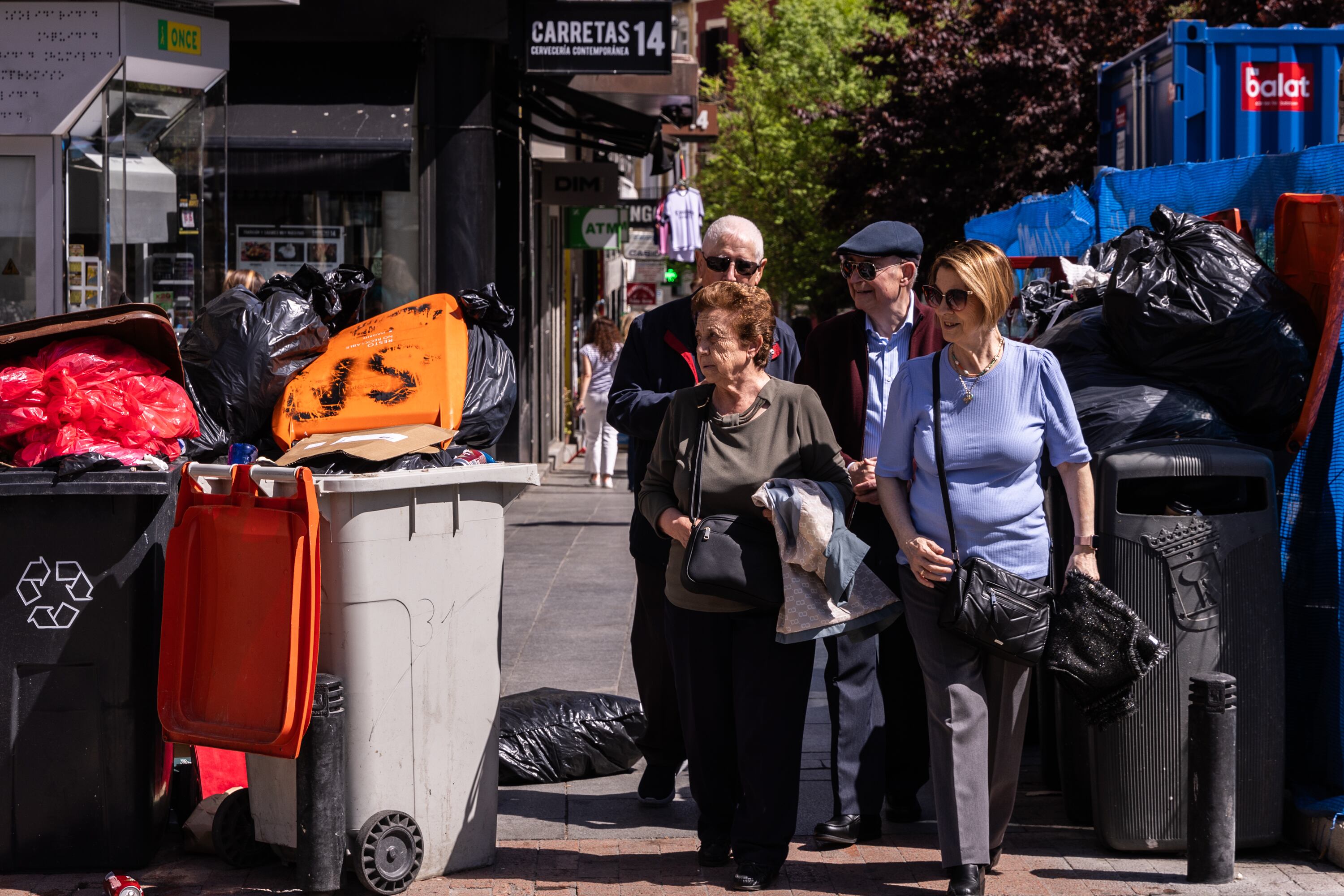
The Supreme Court of Madrid has overturned the city’s controversial 2025 waste collection fee, a move fueled by widespread public opposition and concerns about unfair rates between neighborhoods. This ruling marks a significant legal challenge for Mayor José Luis Martínez-Almeida and raises questions about the future of the city’s waste management strategy. The decision has already triggered calls for refunds and could impact future municipal taxes.
The court’s decision, based on ‘substantial defects’ in the fee’s approval process, echoes previous legal battles faced by the Almeida administration, including similar challenges in León and Barcelona. The ruling specifically highlighted issues of transparency and fairness in the implementation of the waste fee, which was intended to address disparities in rates across Madrid’s diverse districts. While the city council has 30 days to potentially appeal, the immediate focus is on determining whether residents who paid the fee will be entitled to refunds, a process that could be complex and costly. Furthermore, the legal setback casts a shadow over the planned 2026 tax, adding uncertainty to the city’s financial projections and potentially influencing future municipal policy decisions regarding waste management.
Summarized from the sources above. Read the originals for the full story.
Highlights
Supreme Court Invalidates Waste Fee
The Spanish Supreme Court declared Madrid's 2025 waste collection fee invalid due to procedural errors and significant public opposition.
Refunds and Future Tax Impact
The ruling raises questions about refunds for residents who paid the fee and impacts the planned 2026 tax implementation.
Legal Precedent for Challenges
The decision sets a precedent for further legal challenges to municipal initiatives, mirroring similar rulings in other Spanish cities.
Mayor Faces Legal Pressure
Madrid Mayor Almeida is facing legal pressure regarding the waste rates, following a series of court defeats.
Fairness Concerns Highlighted
The ruling stems from concerns about fairness and transparency in the city’s waste management system and unequal rates.