German Retail Shrinks, Fewer Than 300,000 Stores Expected
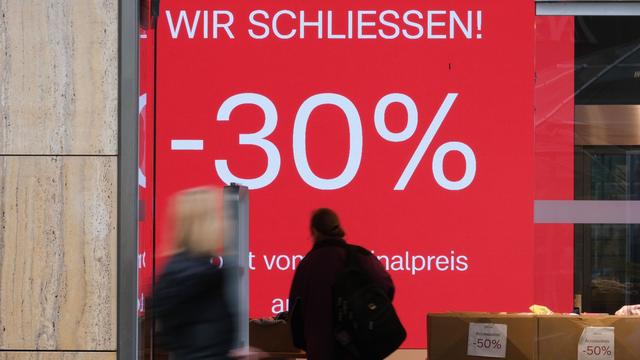
Germany’s retail sector is facing a dramatic contraction, with the number of shops plummeting by roughly 70,000 since 2015. This decline is primarily driven by the shift towards online shopping and consumers choosing to save their money, raising serious concerns about the future of brick-and-mortar stores and the German economy.
The situation is further complicated by a confluence of factors, including rising inflation and a general decrease in consumer spending power. Recent forecasts predict a continued downward trend, potentially leading to fewer than 300,000 retail outlets operating in Germany by the end of the year. Notably, discount retailer Kik’s planned closures of 300 stores highlight the severity of the problem, with many employees reportedly left in the dark about the impending layoffs. Experts believe this shift represents a fundamental change in consumer behavior and a significant challenge for Germany’s commercial landscape, demanding adaptation and potentially leading to further job losses within the sector.
Summarized from the sources above. Read the originals for the full story.
Highlights
Retail Sector Shrinks Significantly
German retail is declining sharply, with a substantial decrease in the number of shops since 2015, impacting the economy.
Online Shopping Drives Decline
Increased online shopping and consumer savings are cited as key factors contributing to the shrinking retail landscape in Germany.
Economic Concerns Mount
Experts predict a potential slowdown in economic growth due to the retail decline and are closely monitoring the situation.
Kik Closures Highlight Challenges
German discount retailer Kik is closing 300 stores due to an oversupply of locations and a difficult retail environment.
City Centers Face Threat
The decline in retail stores poses a serious threat to city centers and traditional brick-and-mortar businesses.
Perspectives
- The German retail sector is experiencing a significant decline in the number of stores.
- Online shopping and changing consumer behavior are key drivers of this decline.
- The shrinkage of the retail sector raises concerns about the German economy.
- Retailers are attributing the decline to factors like inflation and reduced consumer spending.
Retail decline is primarily driven by consumer shifts towards online shopping and a conscious decision to save money.
ZEIT Online, FAZ, Der Spiegel
The decline is primarily due to inflation and reduced consumer spending, creating a challenging retail environment.
ORF News, New