Sagunto Holy Week Bans Women, Risks Losing National Status
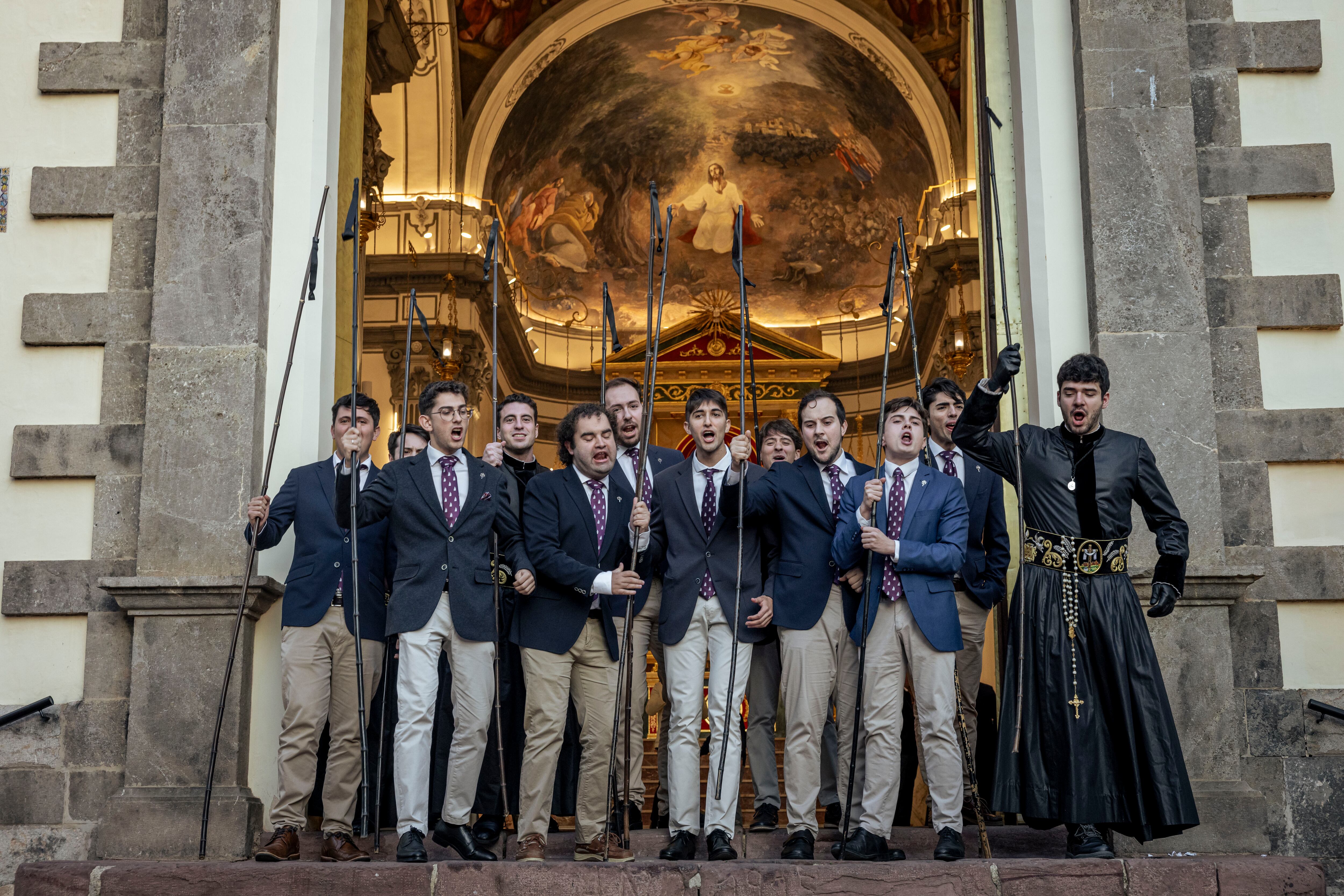
The city of Sagunto, Spain, has once again banned women from participating in its annual Holy Week (Semana Santa) celebrations, triggering a major crisis with the Spanish government. This decision, rooted in longstanding tradition, threatens to strip the city of its prestigious ‘National Tourist Interest’ designation, sparking a heated debate about religious freedom and gender equality.
The core of the controversy lies with the Cofradía de la Purísima Sangre, the local religious brotherhood, who have consistently upheld the tradition of excluding women from the processions, arguing that it’s a matter of preserving historical customs. This stance has escalated the situation, prompting the Ministry of Industry and Tourism to threaten the revocation of Sagunto’s designation, a move that would significantly impact the city’s tourism industry. Mayor José Manuel Cabello has publicly urged for a change, framing the issue as a fundamental rights matter and calling for ‘courage’ to challenge the established tradition. The situation underscores a broader conflict between deeply ingrained religious practices and the growing demands for inclusivity and equal rights within Spanish society. The government’s intervention highlights a serious concern about discrimination and the potential for cultural heritage to be used as justification for exclusionary practices.
Summarized from the sources above. Read the originals for the full story.
Highlights
Sagunto Bans Women
The city of Sagunto has repeatedly denied women participation in Holy Week processions, sparking government intervention.
Tradition Cited as Justification
Cofrades argue that upholding tradition is the primary reason for excluding women from Semana Santa celebrations.
Government Threatens Revocation
The Spanish government is considering revoking Sagunto’s ‘National Tourist Interest’ designation due to the discrimination.
Local Mayor Advocates for Change
The mayor of Sagunto is urging for inclusion to avoid the loss of national recognition.
Historical Roots of Exclusion
The tradition of excluding women dates back to 1492 and reflects deep-seated cultural and religious practices.
Perspectives
- Most sources agree that the city of Sagunto has maintained a ban on women participating in Semana Santa celebrations.
- The Spanish government is considering revoking the city’s ‘National Tourist Interest’ designation due to this discrimination.
- The core issue revolves around a longstanding tradition within Spanish religious practices regarding gender roles.
- There is a widespread concern about the conflict between religious tradition and modern inclusivity.
Cofrades (religious brotherhood members) argue that ‘tradition is tradition’ and maintaining the established customs is paramount.
El País, El Mundo, FAZ, New
The Spanish government and some commentators believe that upholding gender equality and inclusivity should take precedence over historical tradition.
El Mundo, El País, El País, FAZ, New
The Mayor of Sagunto argues for changes to the celebrations to avoid government intervention and preserve local tradition.
El Mundo
The Spanish government, particularly the Ministry of Industry and Tourism, is asserting its authority to enforce national standards and address discrimination.
El País, El Mundo
Supporters of the tradition frame it as a matter of religious freedom and the right to practice traditions as they have been historically.
El País, El Mundo, FAZ
Critics view the ban as a violation of fundamental human rights and gender equality, arguing for equal participation in religious events.
El País, El País, New