India Faces Gas Shortage, Restaurant Closures Threaten Economy
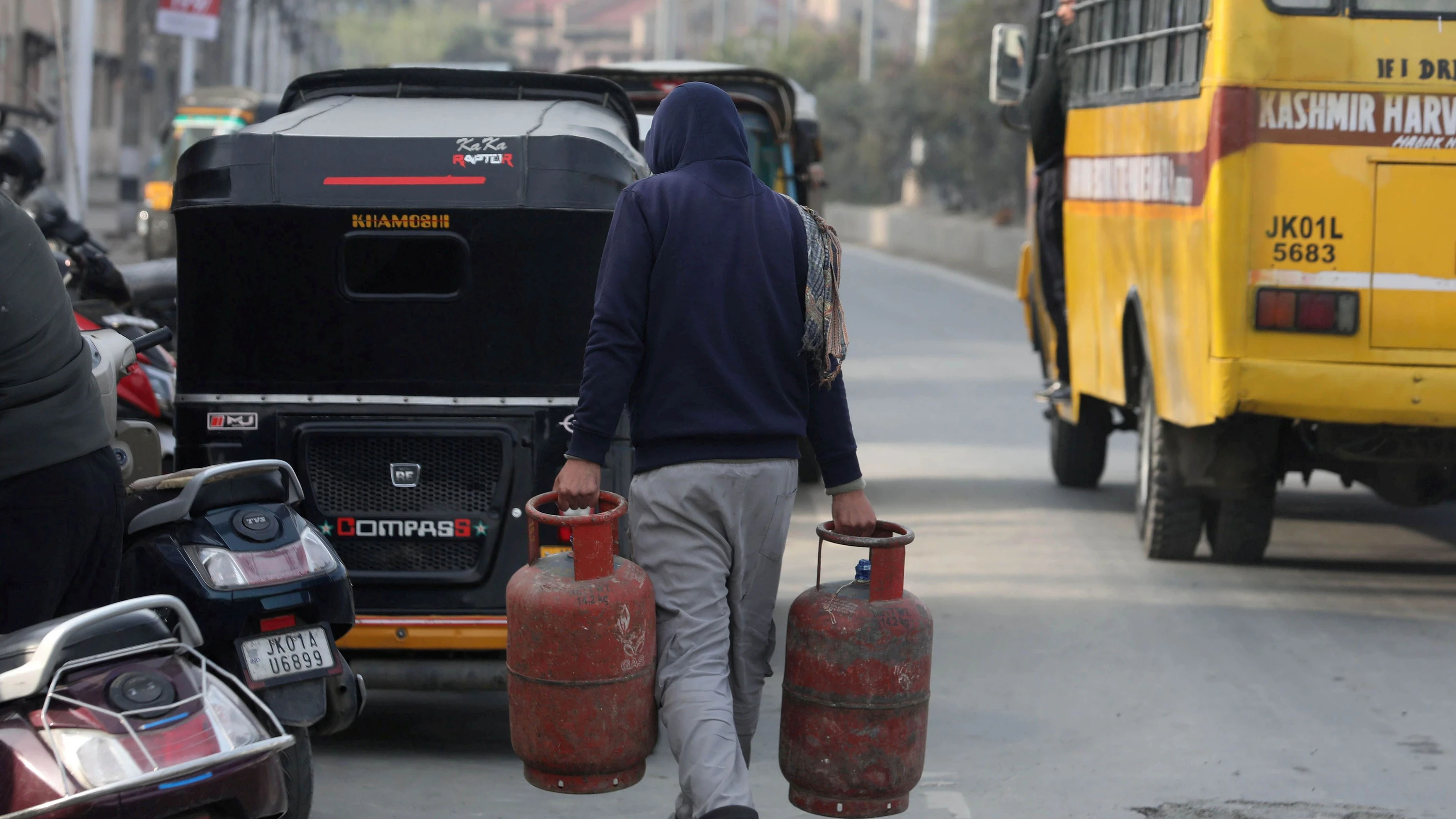
India is grappling with a severe gas shortage, primarily driven by the ongoing conflict in the Middle East and the resulting disruption of vital energy supplies through the Strait of Hormuz. This crisis is causing widespread economic and social repercussions, particularly impacting the food industry and household energy consumption.
The situation has escalated dramatically, with ninety percent of India’s Liquefied Petroleum Gas (LPG) imports relying on the Strait of Hormuz, making the country exceptionally vulnerable to geopolitical instability. Restaurants are being forced to drastically reduce operations, including halting frying, and governments are actively negotiating with Iran to secure alternative supplies and mitigate panic buying. The crisis isn't just affecting large chains; small businesses and households, particularly in the south, are struggling to afford cooking gas, leading to significant lifestyle changes and economic hardship. Experts warn that India’s over-reliance on Gulf gas imports has exposed a critical weakness in its energy security strategy, highlighting the urgent need for diversification and investment in renewable energy sources to avoid future crises.
Summarized from the sources above. Read the originals for the full story.
Highlights
India's Gas Supply Crisis
Rising energy costs, exacerbated by the Iran conflict and disruptions at the Strait of Hormuz, are causing a severe gas shortage in India, impacting businesses and households.
Regional Energy Vulnerability
South Asian countries, heavily reliant on energy supplies through the Strait of Hormuz, are experiencing significant disruptions and instability due to the ongoing conflict.
Restaurant Impacts & Adaptation
Indian restaurants are forced to reduce operations, alter menus, and implement energy-saving measures due to the gas shortage, threatening closures.
LPG Dependence & Black Market
Ninety percent of India’s LPG imports transit through the Strait of Hormuz, leading to restrictions and a growing black market for the fuel.
Economic & Social Consequences
The energy crisis highlights India’s vulnerability to global market fluctuations and could have significant economic and social repercussions across the nation.
Perspectives
- The energy crisis, triggered by global events (Iran conflict, Strait of Hormuz), is significantly impacting India.
- India's heavy reliance on gas imports from the Gulf makes it particularly vulnerable.
- The crisis highlights the interconnectedness of global energy markets and potential instability.
- India needs to diversify its energy sources and invest in renewable energy.
Sources directly attribute the crisis to the Iran conflict and disruption at the Strait of Hormuz, emphasizing the vulnerability of relying on a single supply route.
Der Standard, Le Monde, France24, El Mundo
Sources emphasize increased demand and supply chain disruptions as the primary drivers, alongside the geopolitical factors.
FAZ, la Repubblica, NOS Nieuws
Reports, particularly from la Repubblica and NOS Nieuws, focus on the severe impact on restaurants and food service businesses, with closures and operational restrictions.
la Repubblica, NOS Nieuws
Other sources, like FAZ and El Mundo, primarily highlight the impact on households and small businesses, focusing on the inability to cook.
FAZ, El Mundo
NOS Nieuws reports on governments actively negotiating with Iran to secure energy supplies and prevent panic.
NOS Nieuws
Other sources do not explicitly detail government negotiation efforts.
FAZ, Der Standard, Le Monde, la Repubblica, El Mundo, France24