Janša Wins Slovenian Election, Raising EU Concerns
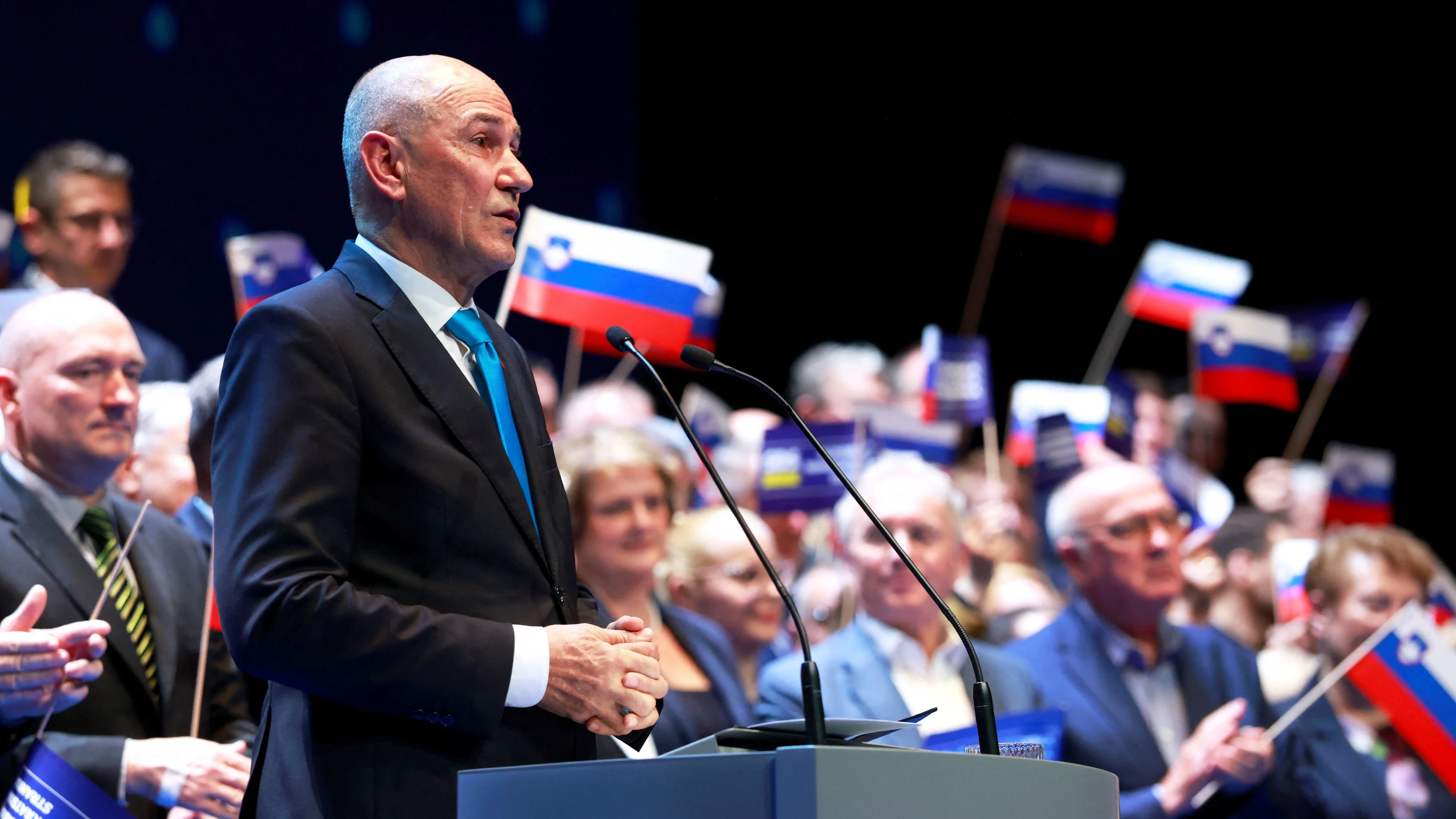
The Slovenian parliamentary election concluded on Sunday with a surprising late shift, seemingly returning incumbent Prime Minister Janez Janša to the lead. Simultaneously, allegations of Israeli interference in the election’s outcome have surfaced, adding a significant layer of complexity to the political landscape.
The race between Janša and current Prime Minister Robert Golob has been intensely contested, fueled by deeply rooted divisions within Slovenian society. Janša’s success is largely attributed to widespread dissatisfaction with Golob’s government’s economic reform policies and a growing embrace of right-wing populist sentiment. Furthermore, concerns regarding anti-Romany rhetoric, amplified by campaign messaging, contributed to the polarization of the electorate. This victory raises serious questions about Slovenia’s future trajectory within the European Union, particularly given Janša’s history of Euroscepticism and close ties with leaders like Viktor Orbán. The potential for Slovenia to align more closely with right-populist governments across Europe, including a stronger stance on supporting Ukraine, is now a significant factor to watch.
Summarized from the sources above. Read the originals for the full story.
Highlights
Janša Regains Lead in Slovenia
The Slovenian election saw a late surge in support for incumbent Prime Minister Janez Janša, fueled by concerns about Israeli interference.
Orbán's Influence on Slovenian Politics
Janez Janša's alliance with Viktor Orbán is causing alarm within the European Union due to his nationalist policies.
Shift to Right-Wing Government
The Slovenian election is potentially ushering in a right-wing government, raising concerns about the country's future direction and EU relations.
Anti-Romany Rhetoric Impacts Election
Concerns regarding anti-Romany rhetoric significantly shaped the Slovenian election, reflecting divisions within society.
Jansa's Victory Signals Instability
Janez Jansa's victory reflects political instability and a desire for a strong leader, potentially aligning Slovenia with right-populist movements.
Perspectives
- The Slovenian election on Sunday saw a shift in momentum towards Janez Janša.
- Allegations of Israeli interference impacted the election’s outcome significantly.
- The election is crucial for Slovenia’s political direction and economic policies.
- The election outcome will significantly impact Slovenia’s relationship with the EU.
Source A says Janša’s alignment with Orbán is a cause for serious concern within the EU, potentially jeopardizing Slovenia’s integration efforts. (FAZ, tagesschau, New)
FAZ, tagesschau, New
Source B says Janša’s alignment with Orbán is a strategic move to strengthen Slovenia’s position within the EU and to pursue a more assertive foreign policy. (De Volkskrant, NOS Nieuws)
De Volkskrant, NOS Nieuws
Source A says the election represents a significant right-wing shift and polarization within Slovenian society. (tagesschau, NOS Nieuws)
tagesschau, NOS Nieuws
Source B says the election reflects divisions within Slovenian society and the country’s approach to minority rights. (The Guardian Europe)
The Guardian Europe
Source A says concerns regarding anti-Romany rhetoric significantly shaped the election. (The Guardian Europe)
The Guardian Europe
Source B does not mention anti-Romany rhetoric as a significant factor in the election. (FAZ, De Volkskrant, tagesschau, New, NOS Nieuws)
FAZ, De Volkskrant, tagesschau, New, NOS Nieuws