Krause Wins Historic Election as Munich Mayor
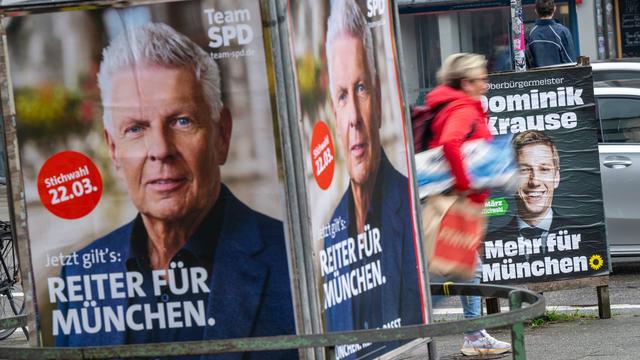
Dominik Krause of the Green Party has been elected as the new mayor of Munich, defeating incumbent SPD candidate Thomas Reiter in a decisive runoff election. This marks the first time a Green politician has led the Bavarian capital, ending nearly four decades of Social Democrat (SPD) control and signaling a significant shift in Munich’s political landscape.
Krause’s victory follows a contentious campaign focused on issues of urban development, transportation, and environmental policy, reflecting growing voter concerns about sustainability and housing affordability. Reiter, the former mayor, conceded defeat after nearly 20 years in office, acknowledging a shift in public sentiment and the rise of the Green Party’s popularity. This outcome has broader implications for Bavarian politics, particularly given the Green Party’s success in challenging the traditionally conservative Christian Social Union (CSU) led by Markus Söder. Analysts are watching closely to see how Krause’s administration will address Munich’s challenges, particularly regarding housing shortages and the city’s commitment to achieving ambitious climate goals. Furthermore, Krause’s election represents a broader trend of Green parties gaining traction in German urban centers, potentially influencing policy decisions across the country.
Summarized from the sources above. Read the originals for the full story.
Highlights
Krause Elected Mayor of Munich
Dominik Krause of the Green Party has been elected as the new mayor of Munich, marking the end of nearly four decades of Social Democrat (SPD) control over the city's leadership and a significant shift in Bavarian politics.
Reiter Concedes Defeat, Signals Political Shift
Thomas Reiter, the incumbent SPD mayor of Munich, conceded defeat after nearly 20 years in office, reflecting growing voter dissatisfaction and signaling a potential rise of the Green Party in the city.
Green Party Victory Signals Urban Policy Change
Krause’s win, coupled with Reiter’s concession, indicates a potential shift in Munich’s political landscape and could influence city policy moving forward, particularly regarding urban development and environmental policies.
Housing and Transportation Key Issues in Runoff
The runoff election focused on critical issues such as housing, transportation, and local economic development, mirroring broader political trends in Bavaria and highlighting differing views on urban development.
Krause’s Victory Challenges Söder’s Influence
Dominik Krause’s surprising victory, a young, green, and openly gay candidate, posed a significant challenge to Chancellor Markus Söder and could reshape the political landscape of Bavaria and influence upcoming national elections.
Perspectives
- The Green Party candidate, Dominik Krause, won the mayoral election in Munich.
- Dieter Reiter, the incumbent SPD mayor, conceded defeat.
- The election represents a shift in Munich’s political landscape.
- The outcome reflects growing voter dissatisfaction with the SPD and a rise of the Green Party.
Krause's win signals a fundamental shift in Munich's political priorities, particularly regarding urban development and environmental policies, reflecting a desire for change.
ZEIT Online, Der Standard, Der Spiegel, FAZ
Reiter's defeat represents a continuation of the existing political trajectory, with the SPD maintaining a significant presence despite the shift in voter sentiment.
ZEIT Online, ZEIT Online
The election’s outcome will significantly impact policy decisions, particularly concerning housing, transportation, and economic development.
ZEIT Online, Der Standard, Der Spiegel, FAZ
The election’s impact is likely to be more symbolic than substantive, with minimal immediate changes to city policy.
ZEIT Online