Israel, US Strike Iranian Nuclear Site in Natanz
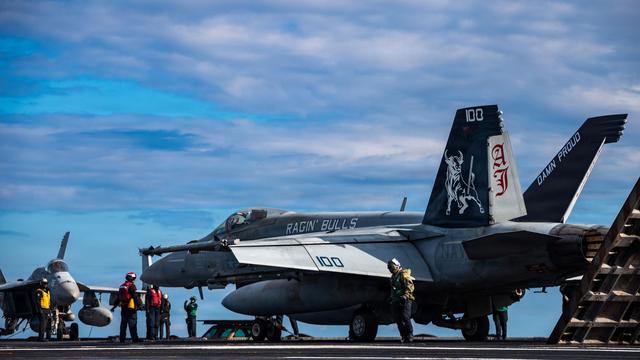
On March 20-21, Israeli and U.S. forces conducted a targeted strike against Iran’s Natanz nuclear facility, reportedly destroying a key enrichment site. Initial reports indicated a possible breach at the facility, but subsequent assessments found no release of radioactive materials. This action has raised significant concerns about the future of Iran’s nuclear program, regional stability, and the potential for escalation in the Middle East.
The attack on Natanz, a facility central to Iran’s uranium enrichment efforts, was met with condemnation from Iranian officials who accused the United States and Israel of responsibility. Despite initial fears of a radioactive release, technical investigations confirmed no such incident occurred, though the extent of the damage remains a point of contention. The operation has dramatically heightened tensions between Iran and its Western adversaries, with Iran responding with missile attacks on US-UK bases. Furthermore, the United States authorized the sale of Iranian oil already en route, a move that contradicts previous sanctions and adds another layer of complexity to the situation. Analysts warn of a prolonged and potentially worsening situation with no clear path to resolution, and the incident underscores the fragility of the Iran nuclear deal and the ongoing risk of wider regional conflict.
Summarized from the sources above. Read the originals for the full story.
Highlights
Natanz Nuclear Facility Targeted in Strike
Israeli and U.S. forces conducted a targeted strike on Iran’s Natanz nuclear facility, reportedly aiming to destroy a key enrichment site, raising concerns about escalating tensions and a potential wider conflict.
US Sanctions on Iranian Oil
The United States responded to the Natanz strike with sanctions targeting Iranian oil shipments, reflecting a heightened level of concern about Iran’s nuclear program and regional ambitions.
IAEA Calls for Restraint
The International Atomic Energy Agency (IAEA) has called for a pause in military action to allow investigators to assess the damage and prevent further escalation, highlighting the risk of a dangerous spiral.
Dimona Targeted by Missile Attack
Iranian forces launched multiple missiles towards Dimona, Israel, a city housing a key nuclear research facility, significantly escalating tensions between Iran and Israel.
No Radioactive Material Released
Despite initial fears, multiple sources reported that no radioactive material was released during the attacks on Natanz and Dimona, though concerns remain about the potential for future escalation.
Perspectives
- A military strike occurred at Iran’s Natanz nuclear facility.
- The attack raises concerns about regional instability and nuclear proliferation.
- The operation is viewed as a significant escalation in the dispute over Iran’s nuclear program.
- There are worries about the future of the Iran nuclear deal and regional stability.
Sources claim Israel and the US conducted the strike, aiming to destroy enrichment sites.
RTBF, ORF News, ZEIT Online, tagesschau, New
Iran claims a drone attack occurred, with no radioactive material released.
ZEIT Online, tagesschau, Le Monde
Sources express concerns that the attack jeopardizes the Iran nuclear deal and future negotiations.
RTBF, Le Monde, ZEIT Online, tagesschau, New
Some sources downplay the immediate impact, focusing on the need for investigation and preventing escalation.
ORF News, RTBF
The IAEA calls for a pause in military action to assess the damage and prevent escalation.
RTBF
Some sources do not mention the IAEA's call for a pause.
FAZ, Le Monde, ORF News, ZEIT Online, tagesschau, New