Organ Registry Reaches 500,000 Digital Entries
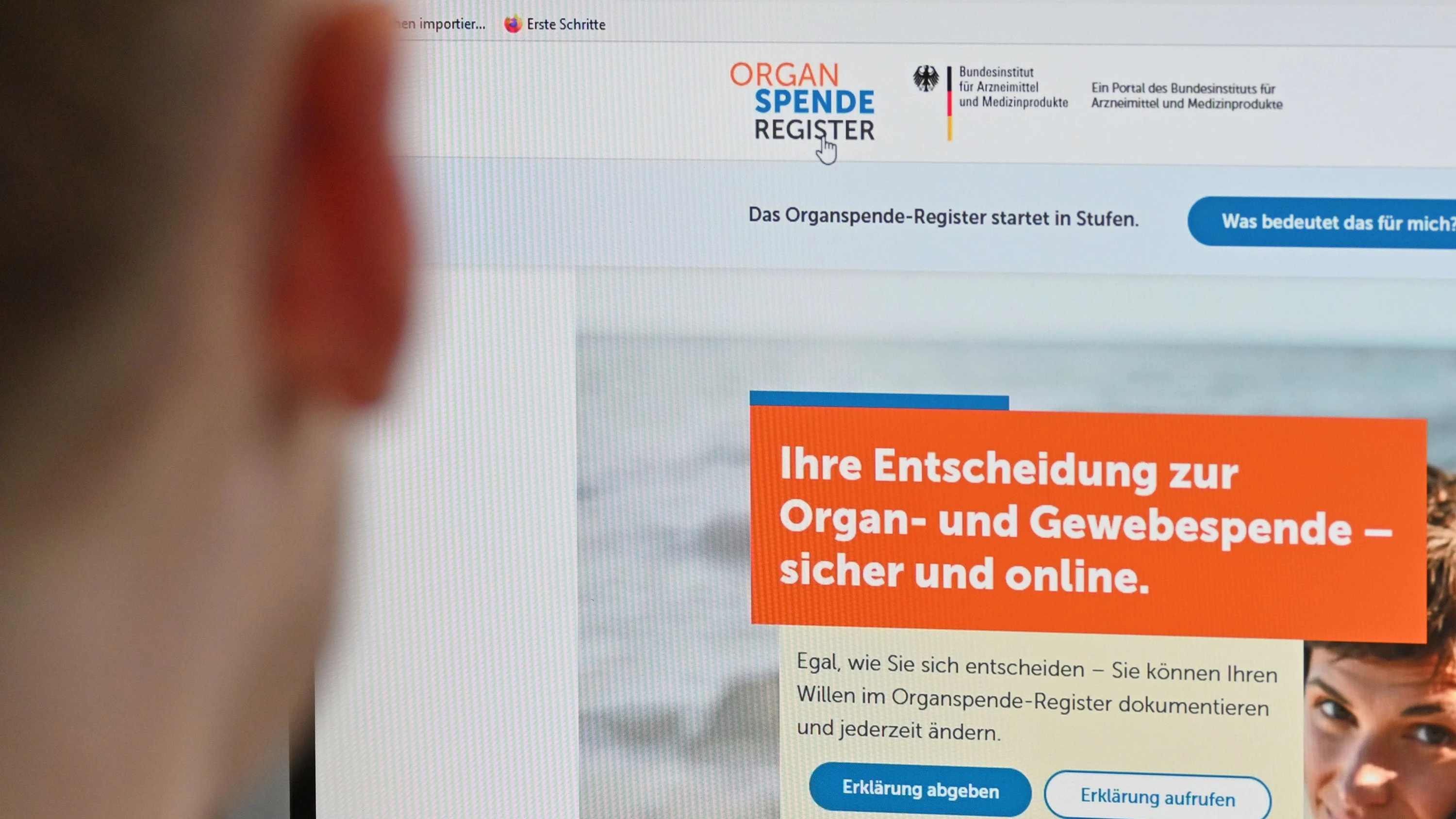
Germany’s digital central registry for organ donation preferences has reached a remarkable milestone, exceeding 500,000 registrations. This innovative system, established to streamline the process and increase organ availability, represents a significant shift in how Germans are registering their wishes regarding donation. The registry offers a modern alternative to traditional donor cards, reflecting a growing national interest in organ transplantation.
Despite the impressive uptake of the digital registry, a concerning trend has emerged: a small proportion – less than one percent – of users have actively opted out of organ donation. This discrepancy suggests a potential disconnect between awareness campaigns promoting organ donation and the actual registration of ‘no donation’ preferences. Experts believe this could be due to a lack of understanding about the system or a reluctance to actively make a decision. The registry’s administrators are now focusing on targeted outreach programs to encourage more individuals to formally record their wishes, particularly those who haven't yet done so, to maximize the potential for life-saving transplants.
Summarized from the sources above. Read the originals for the full story.
Highlights
Registry Hits 500,000 Entries
Germany’s digital organ donor registry has reached a significant milestone, exceeding 500,000 recorded preferences.
Awareness vs. Action Gap
Despite high registration numbers, a small percentage of users have actively declined organ donation, indicating a gap between awareness and action.
Digital Shift in Consent
The registry reflects a growing trend towards electronic consent and streamlined organ donation processes.
Streamlining Donation Process
The digital registry aims to improve the efficiency of organ donation and increase the availability of organs.
Expanding Donor Preferences
Over half a million individuals have recorded their organ donation wishes through the online system.