AfD Attacks Bauhaus in Architectural Controversy
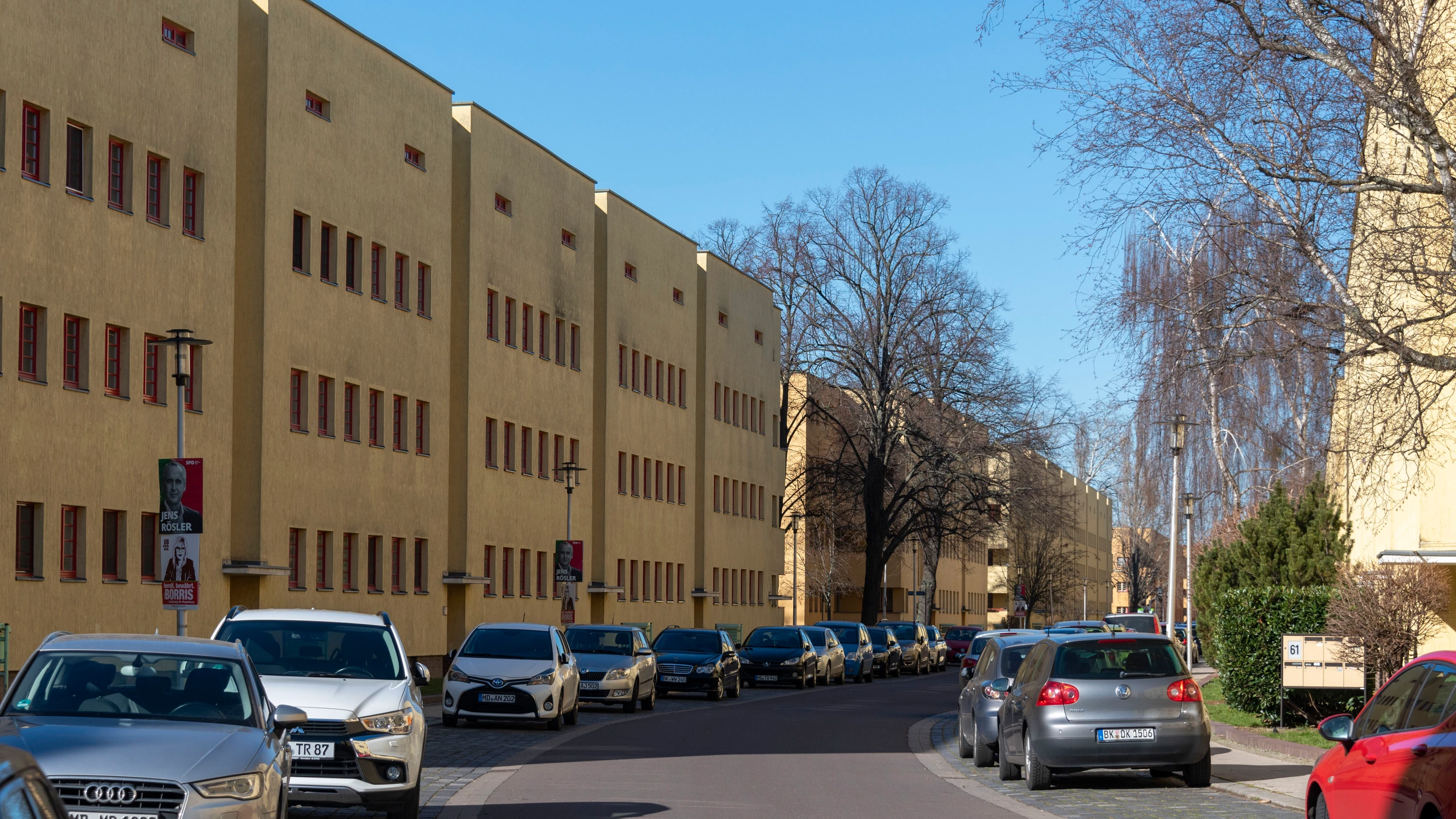
The Alternative for Germany (AfD) party is sparking controversy by branding modern architecture, especially Bauhaus designs, as a threat to German culture and identity. This stance has ignited a ‘culture war’ and raised concerns about the preservation of architectural heritage within the country. The party’s actions are drawing significant attention and highlighting deeper societal divisions.
The AfD’s focus on Bauhaus architecture stems from a broader, and increasingly vocal, critique of what they see as the influence of globalist and liberal values on German society. They argue that the clean lines and functional design of the Bauhaus movement represent a rejection of traditional German aesthetics and a surrender to foreign cultural trends. This isn't simply about architectural style; it’s a tactic to mobilize their base and frame themselves as defenders of ‘traditional’ German values against perceived threats. Critics argue the party is exploiting anxieties about immigration and globalization to promote a nationalist agenda, and that their attacks on Bauhaus are a deliberate attempt to demonize modern design. The controversy has prompted discussions about the importance of architectural heritage and the role of political parties in shaping cultural narratives within Germany.
Summarized from the sources above. Read the originals for the full story.
Highlights
AfD Attacks Bauhaus Symbolism
The AfD party is leveraging Bauhaus architecture as a symbol of perceived cultural threats, igniting a debate about identity and societal values in Germany.
Bauhaus as Cultural Battleground
The dispute over Bauhaus designs highlights a ‘Kulturkampf’ – a cultural battle – fueled by anxieties surrounding identity and power within Germany.
Architectural Heritage Under Threat
The AfD’s stance raises concerns about the preservation of architectural heritage and contributes to a broader ‘culture war’.
Ideological Opposition Defined
The AfD frames modern architecture, specifically Bauhaus, as a symbol of ideological opposition and a challenge to established values.
Identity and Power Dynamics
The core of the controversy revolves around anxieties about identity, power dynamics, and societal values within the German context.