EU-Australia Trade Deal Reduces Tariffs, Fuels French Concerns
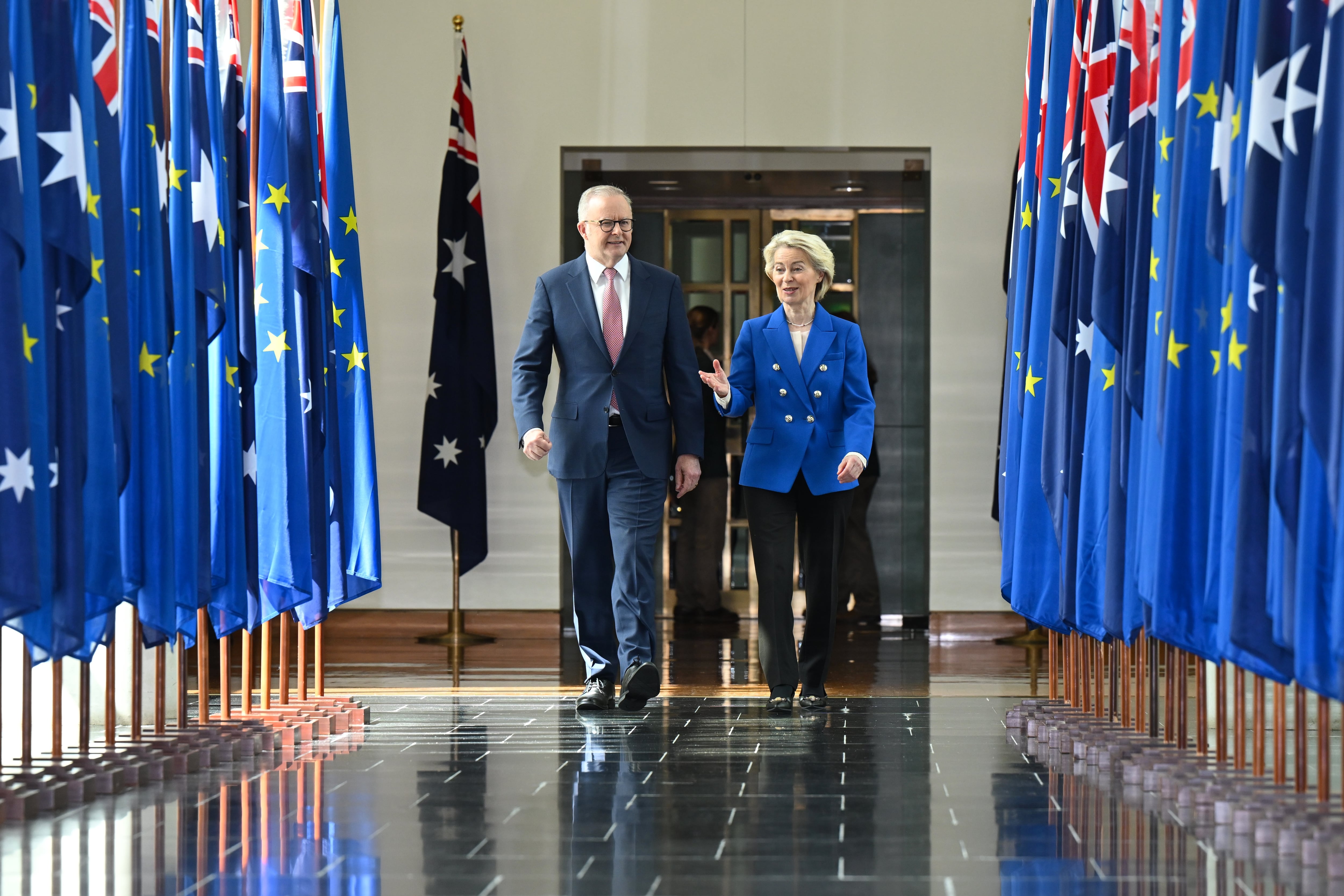
After eight years of negotiations, the European Union and Australia have finally reached a trade agreement, a surprisingly quick conclusion given previous protracted deals. This agreement dramatically lowers tariffs on Australian beef and wool exports, driven by the EU’s need for raw materials and a shift away from China’s influence. However, the deal is already sparking significant controversy, particularly in France.
The French government and agricultural sector are strongly opposing the agreement, viewing it as a threat to European farmers and the industry. Protests have erupted, fueled by concerns that increased Australian beef imports will flood the European market and depress prices for domestic producers. French trade minister Nicolas Forissier’s planned trip to Australia highlights the urgency of the situation and the government’s attempt to mitigate the damage. Critics argue that the deal prioritizes economic efficiency over the long-term viability of European agriculture, raising questions about the EU’s broader trade strategy. The situation underscores the complex and often contentious nature of trade agreements, particularly when they impact established industries and national economies.
Summarized from the sources above. Read the originals for the full story.
Highlights
EU-Australia Trade Deal Finalized
The European Union and Australia have reached a trade agreement reducing tariffs on beef and wool exports, driven by EU access to resources and reduced reliance on China.
French Opposition to Trade Deal
France is strongly protesting the EU-Australia trade deal, fearing increased Australian beef imports will negatively impact European agriculture and sparking government negotiations.
Rapid Negotiation Process Highlighted
The EU-Australia trade agreement was concluded quickly, contrasting with longer negotiations with Mercosur and India.
Agricultural Sector Dispute Resolved
The agreement addresses a key trade dispute between the EU and Australia, specifically within the agricultural sector.
EU Seeking Raw Material Access
The EU’s primary motivation for the deal is to gain access to Australian raw materials and diversify supply chains.