Hottest June ever in Western Europe.
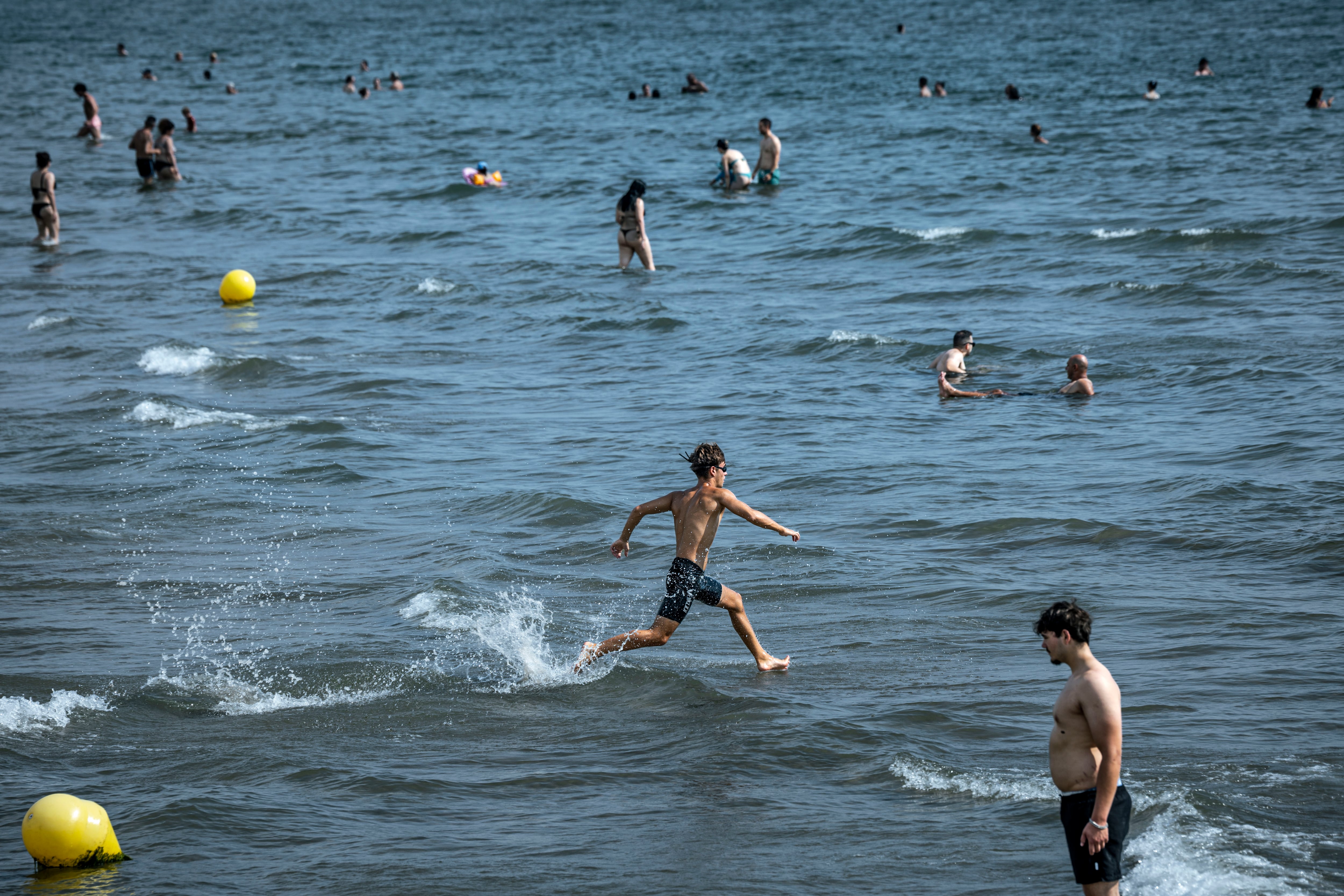
Western Europe had the hottest June ever recorded. Temperatures were 3 degrees Celsius higher than usual. A marine heatwave caused high ocean temperatures.
The Copernicus climate service reported that June 2026 was the hottest June on record for Western Europe, with an average temperature of 20.74 degrees Celsius. This was significantly higher than the 1991-2020 average. Several countries, including the UK, France, and Spain, experienced intense heatwaves and wildfires. Scientists linked these events to increasingly intense heatwaves and rising ocean temperatures. Concerns exist about the impact on human health and biodiversity.
Summarized from the sources above. Read the originals for the full story.
Highlights
Record-High June Temperatures
Western Europe experienced the hottest June ever recorded, with average temperatures reaching 20.74 degrees Celsius.
Mediterranean Sea Heatwave
The Mediterranean Sea is experiencing extreme heatwaves with sea temperatures exceeding 3 degrees Celsius above normal.
Third Heatwave in UK
The United Kingdom is experiencing its third heatwave of the year with high temperatures.
Potential for Mass Mortality
Scientists warn of potential ‘mass-mortality events’ due to high ocean temperatures.
Increased Heatwave Intensity
Experts warn of increasingly intense heatwaves and associated risks to human health and infrastructure.
Perspectives
- Western Europe experienced the hottest June on record.
- Average temperatures reached 20.74 degrees Celsius.
- Marine heatwaves impacted the Mediterranean and Atlantic coasts.
- Ocean temperatures reached record highs.
Scientists attribute the heatwaves to fossil fuel pollution and climate change.
The Guardian Europe, El País, DW Deutsch
The EU’s Copernicus climate service attributes the heatwaves to record-high temperatures.
NOS Nieuws, Dagens Nyheter, RTBF
Scientists warn of potential ‘mass-mortality events’ due to high ocean temperatures.
The Guardian Europe
The situation is being monitored closely due to the potential for further extreme events.
El País, DW Deutsch