Indian ships transit Strait of Hormuz amid Middle East tensions.
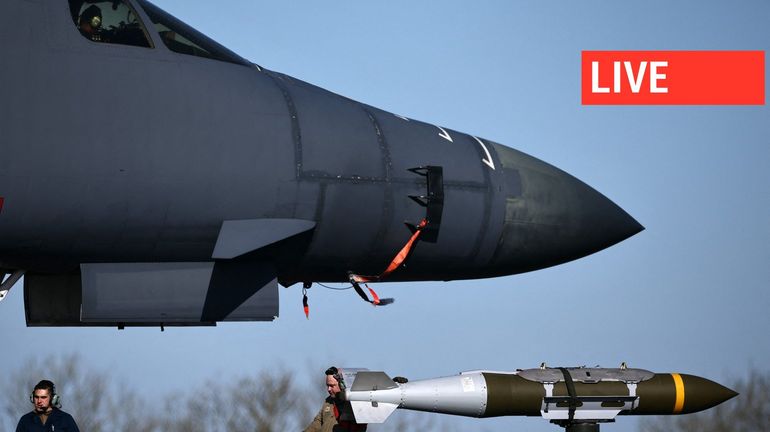
Amid escalating tensions in the Middle East fueled by the ongoing conflict between Israel and the United States, U.S. President Donald Trump has initiated plans to deploy naval assets to secure the Strait of Hormuz, a vital waterway for global oil shipments. This move represents a significant escalation of the situation and raises concerns about potential conflict.
The Strait of Hormuz’s strategic importance has been dramatically heightened by recent U.S. military strikes targeting Iranian-backed forces and infrastructure, primarily on the island of Eylam. Despite these heightened tensions, two Indian-flagged LPG tankers successfully traversed the waterway, demonstrating India’s commitment to maintaining critical trade routes and highlighting the nation’s strategic interest in ensuring access to global energy markets. Experts caution that escorting tankers through the Strait presents considerable risks, particularly given the potential for miscalculation and escalation by regional actors. The operation underscores the complex geopolitical dynamics at play, with multiple nations navigating a delicate balance between supporting allies and avoiding direct confrontation. Furthermore, the continued disruption of maritime traffic due to the conflict necessitates a coordinated international effort to guarantee the safe passage of vital resources.
Summarized from the sources above. Read the originals for the full story.
Highlights
Trump Calls for International Support
U.S. President Trump is urging other nations to send naval vessels to secure the Strait of Hormuz, a vital oil transit route.
Escorting Tankers – A Risky Move
The U.S. Navy’s planned escort of oil tankers through the Strait of Hormuz is considered possible but carries significant risks due to the current instability.
Indian Ships Traverse the Strait
Two Indian-flagged ships carrying liquefied petroleum gas successfully passed through the blocked Strait of Hormuz, demonstrating India's strategic priorities.
Navigating Amidst Regional Conflict
Despite ongoing tensions and a blockade, two Indian ships were able to transit the Strait of Hormuz, highlighting the challenges of maritime trade.
Escalating Tensions – Targeted Strikes
U.S. President Trump’s destruction of military targets further escalated regional conflicts and heightened concerns about the Strait of Hormuz.
Perspectives
- The Strait of Hormuz is vital for global oil supplies.
- U.S. President Trump is advocating for increased security measures there.
- Ongoing conflict in the Middle East is disrupting maritime traffic.
- The situation is creating international concern regarding the waterway's security.
RTBF/RFI/RTBF: The U.S. Navy escorting tankers is a proactive, assertive move to secure the Strait of Hormuz.
RTBF, RFI, RTBF
RTBF: India’s passage demonstrates a willingness to challenge the blockade and prioritize its strategic interests.
RTBF
RTBF/RFI: Trump’s call for naval escort is a decisive action, regardless of risk.
RTBF, RFI
RFI: The operation is ‘risky’ due to the volatile regional situation and potential for escalation.
RFI