Super El Niño Could Cause Extreme Weather
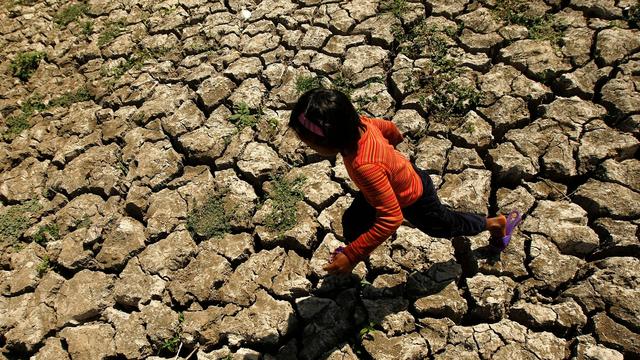
Scientists predict a strong El Niño event is returning. This event could cause extreme weather worldwide. They are closely watching its development.
Researchers are observing changes in ocean temperatures and wind patterns in the Pacific. An 80% probability of El Niño returning this autumn is predicted. This could lead to a global heatwave and increase the risk of droughts, floods, and heatwaves. Scientists are monitoring the situation to understand the potential impacts on weather patterns and climate systems globally.
Summarized from the sources above. Read the originals for the full story.
Highlights
El Niño Predicted
Scientists predict a strong El Niño event, potentially a ‘super’ El Niño, is likely.
High Probability of Return
There is an 80% probability of El Niño returning this autumn.
Global Heatwave Risk
El Niño could lead to a global heatwave due to rising temperatures.
Extreme Weather Concerns
Scientists warn of more extreme weather, including droughts, floods, and heatwaves.
Monitoring Worldwide Impacts
The potential impacts of ‘super El Niño’ are being closely monitored globally.
Perspectives
- Meteorologists predict a ‘super’ El Niño event is possible.
- El Niño is linked to exceptionally hot and volatile weather.
- The event could lead to extreme weather globally.
- Scientists are monitoring the potential impact of El Niño.
Scientists predict an 80% probability of El Niño returning and elevating global temperatures.
Le Monde, FR
Scientists are observing changes suggesting El Niño is returning this year, with a key concern about its potential strength.
Der Standard, AT
Scientists are investigating the factors influencing El Niño’s development and potential consequences for Europe.
FAZ, DE
Experts are monitoring the situation for potential impacts on weather patterns worldwide.
De Volkskrant, NL