Strait of Hormuz remains closed, ships trapped.
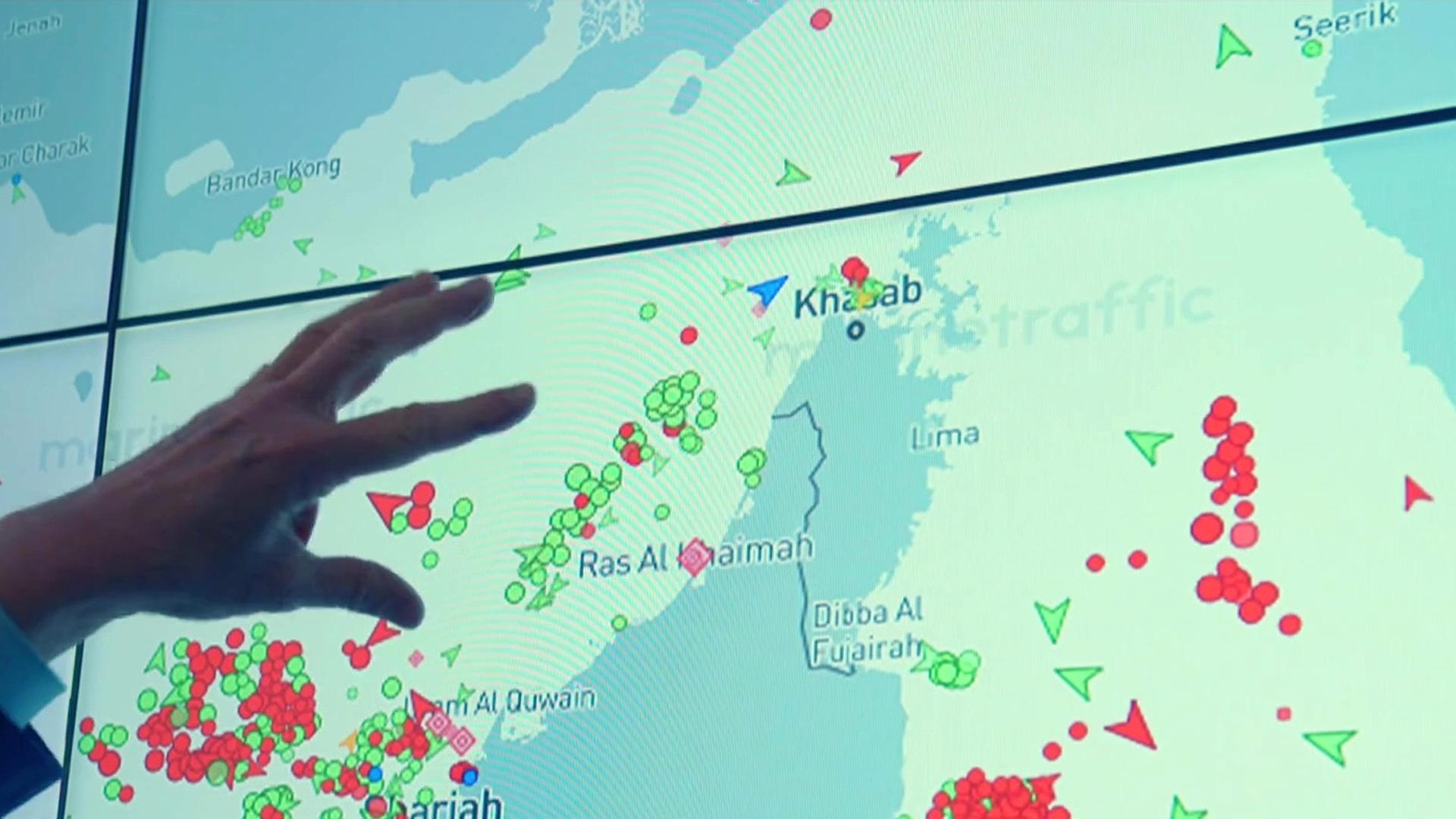
Over 800 ships are stuck in the Strait of Hormuz. There is a ceasefire, but shipping has not started again. This is causing problems for global trade and oil.
The Strait of Hormuz is a narrow waterway that is very important for shipping oil. Iran has placed mines in the water, which makes it dangerous for ships. The United States and Iran are talking about a solution, but it is not easy. Many tankers, around 4,000, are blocked there. This disruption affects trade routes and worries about the global economy. The Suez Canal is also closed because of a ship that ran aground.
Summarized from the sources above. Read the originals for the full story.
Highlights
Over 800 Ships Blocked
Approximately 800 commercial ships are trapped in the Strait of Hormuz.
Ceasefire Doesn't Resolve Issue
A ceasefire exists, but maritime traffic remains halted in the Strait of Hormuz.
US Warns Iran About Tolls
The United States warned Iran about imposing tolls in the Strait of Hormuz.
Iran Deployed Mines
Iran has reportedly deployed mines in the waterway, increasing ship risk.
Global Trade Disrupted
The closure of the Strait of Hormuz disrupts global trade and energy supplies.
Perspectives
- Over 800 ships are trapped in the Strait of Hormuz.
- Iran has deployed mines in the waterway.
- The Strait of Hormuz is closed to shipping.
- The closure is disrupting global trade and energy supplies.
The United States blames Iran for deploying mines and imposing tolls.
France24, la Repubblica
The Iranian Revolutionary Guard claims to have established a safe shipping route.
NU.nl
Sources express concern about global trade and energy supplies.
France24, tagesschau, la Repubblica
NOS Nieuws highlights the vulnerability of global oil supplies.
NOS Nieuws