German Glacier Likely to Disappear by 2034.
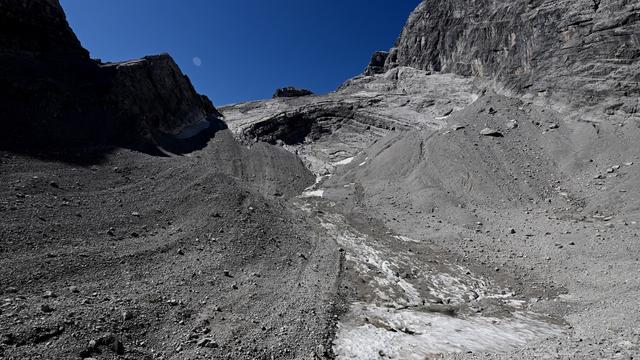
Germany's glaciers are rapidly disappearing, with projections indicating they could vanish entirely by the 2030s. Recent data reveals a dramatic reduction in glacial area, particularly at sites like Feldberg, and this trend is directly linked to ongoing climate change. This situation presents a stark warning about the future of the country's alpine landscapes.
The accelerating melt at Feldberg, the last remaining glacier ski resort in Germany, is a particularly alarming indicator. Scientists attribute the rapid loss to rising temperatures and increased precipitation, leading to a staggering 27% reduction in the glacier's size over the past two years. This isn't just an environmental issue; it’s having immediate economic consequences for the region, threatening the tourism industry that relies on winter sports. Experts are now predicting that many other German glacier resorts will face similar closures within the next decade if global emissions aren't drastically reduced, further emphasizing the urgency of international climate agreements and mitigation efforts.
Summarized from the sources above. Read the originals for the full story.
Highlights
German Glaciers Facing Collapse
Scientists predict all German glaciers will disappear by the 2030s due to climate change, with significant area loss already observed.
Feldberg Resort Under Threat
The last glacier ski resort in Germany, Feldberg, is threatened with closure due to accelerating glacial melt.
Alpine Regions Vulnerable
This loss highlights the vulnerability of Germany's alpine regions to the impacts of climate change.
Tourism Impacts Climate Change
The closure of Feldberg threatens local tourism and the regional economy, demonstrating the tangible effects of global warming.
Urgent Climate Action Needed
The situation underscores the urgent need for climate action to prevent further glacial loss across Germany.