US proposes 15-point plan to end war
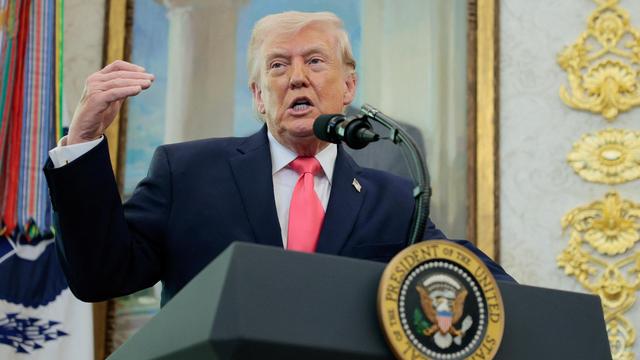
The United States presented a 15-point peace plan to Iran, aiming to end the ongoing conflict. Iran has rejected this plan, stating it has no intention of resuming negotiations with the United States regarding the nuclear deal. This rejection highlights ongoing tensions and a diplomatic impasse.
The United States proposed the 15-point plan as part of an effort to de-escalate tensions and potentially revive the 2015 nuclear deal. Iranian officials, including Foreign Minister Hossein Amir-Abdollahian, have firmly rejected the plan, citing concerns about its terms. Simultaneously, the United States has deployed additional troops to the Gulf region, raising security concerns. Iran has responded by agreeing to allow non-hostile ships to transit the Strait of Hormuz, a move seen as a potential step towards de-escalation. The situation remains complex and uncertain, with no immediate resolution in sight.
Summarized from the sources above. Read the originals for the full story.
Highlights
US Presents 15-Point Peace Plan to Iran
The United States reportedly offered Iran a 15-point peace plan focusing on nuclear and missile programs, amidst reports of potential U.S. special forces deployment, raising concerns about escalating tensions.
Iran Rejects US Plan, Offers Counter-Terms
Iran dismissed the US 15-point plan, presenting its own ceasefire proposal demanding reparations and guarantees regarding the Strait of Hormuz, escalating tensions.
US Deploys Additional Troops Amidst Negotiations
The United States deployed approximately 1,000 additional troops to the Middle East, likely in response to escalating tensions and to exert pressure during negotiations.
Strait of Hormuz Reopened by Iran
Iran announced it would reopen the Strait of Hormuz to ‘non-hostile’ oil tankers as a potential step towards de-escalation, following the US’s 15-point plan.
Complex Negotiations and Uncertain Prospects
The US and Iran’s conflicting proposals and responses highlight the complex and uncertain nature of negotiations surrounding the crisis and its impact on global energy markets.
Perspectives
- The United States presented a 15-point peace plan to Iran.
- The plan aims to de-escalate tensions and potentially end the ongoing conflict.
- Iran has responded to the plan, though with varying degrees of openness.
- There are ongoing concerns about regional instability and the potential for further escalation.
The US presented a concrete plan, a diplomatic initiative to resolve the conflict, demonstrating a willingness to negotiate.
DW English, New, EU, RTBF, BE, France24 English
Iran dismissed the plan as a joke, indicating a lack of interest in negotiations and a continued stance of hostility.
tagesschau, RTBF, BE, ZEIT Online, DE
Donald Trump is actively involved in proposing and pushing the peace plan, suggesting a return to his previous approach.
France24, ZEIT Online, DE, RTBF, BE
The plan is presented as a result of efforts by the current US administration, downplaying Trump's direct involvement.
DW English, New, EU
Iran’s reopening of the Strait of Hormuz is a positive step towards de-escalation and demonstrates a willingness to engage.
France24, RTBF, BE
Iran’s reopening is a strategic move, a calculated response to US pressure, and doesn’t necessarily indicate a genuine desire for peace.
New, EU, DW English