Middle East Conflict Intensifies, Diplomacy Blocked
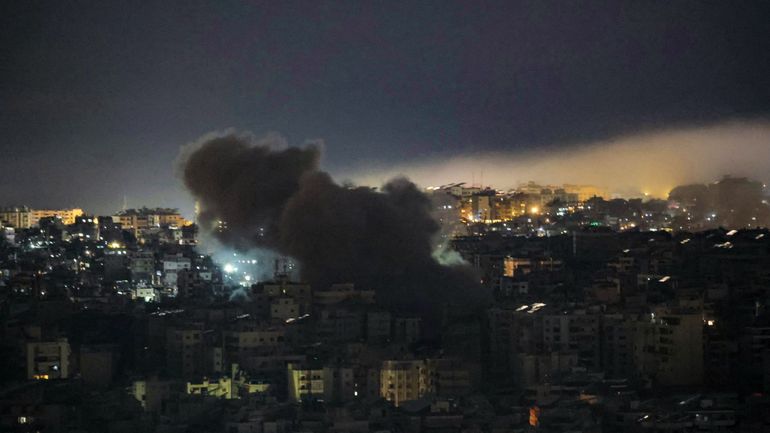
The conflict in the Middle East has dramatically intensified on its 24th day, marked by heightened military strikes across the region and a complete breakdown in diplomatic negotiations. This escalation has triggered rising tensions within the Gulf and fueled fears of a wider, more destabilizing regional war. The situation demands immediate attention and careful consideration of potential consequences.
The intensified strikes, reportedly targeting infrastructure and military installations, are largely attributed to a shift in strategy by multiple involved parties, though the specific actors and their motivations remain contested. Simultaneously, the Gulf region is experiencing a surge in rhetoric and veiled threats, with several nations increasing their military presence along shared borders. U.S. mediation efforts, spearheaded by Secretary Blinken, have yielded no progress, with Iran and key regional allies refusing to engage in meaningful dialogue. Experts warn that the lack of communication is creating a dangerous feedback loop, increasing the likelihood of miscalculation and accidental escalation. Furthermore, the instability is already impacting global energy markets, with oil prices fluctuating dramatically due to concerns about supply disruptions.
Summarized from the sources above. Read the originals for the full story.
Highlights
Escalating Military Operations in Middle East
Intense strikes across the Middle East mark the 24th day of the conflict, indicating a significant escalation in military operations.
Gulf Region Tensions Rise
Simultaneous to the military escalation, tensions are increasing within the Gulf region, adding to the overall instability.
Diplomatic Efforts Have Failed
All diplomatic attempts to resolve the conflict have completely stalled, raising concerns about a wider regional war.
US Mediation Attempts Ongoing
The United States is actively attempting to mediate between Iran and other regional actors to de-escalate the crisis.
Global Energy Market Implications
The Middle East crisis poses significant implications for regional stability and global energy markets.
Perspectives
- The conflict in the Middle East has escalated significantly.
- Tensions are rising within the Gulf region.
- Diplomatic efforts to resolve the conflict have failed.
- The situation poses a risk of wider regional instability.
Sources describe the situation as a ‘significant escalation’ and ‘intensified strikes’.
RTBF, RTBF
Sources frame the escalation as ‘threats’ and ‘escalating threats’.
New