BASF Opens Massive China Factory Amidst Economic Uncertainty
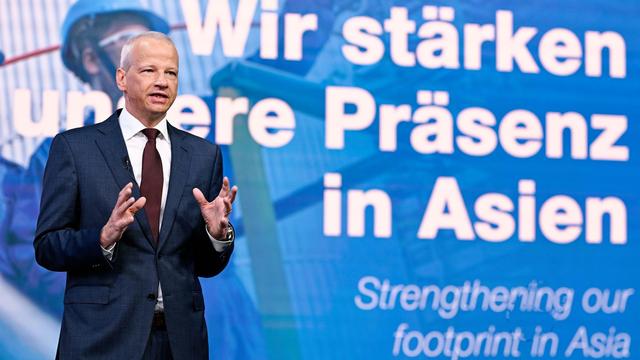
BASF has invested nine billion euros in a new facility in Southeast Asia, anticipating significant growth opportunities in the Chinese market. However, recent reports indicate a slowdown in China’s economic expansion. BASF CEO Markus Kamieth remains optimistic about the potential for profitable growth despite these economic headwinds.
Despite concerns about a slowdown in China’s economic growth and recent cost-cutting measures at its German facilities, BASF’s CEO, Markus Kamieth, is steadfast in his belief in the company’s strategic investment. The Zhanjiang facility, a multi-billion dollar project, represents BASF’s largest ever investment and is intended to bolster its position within the rapidly expanding Asian market, particularly China. This expansion is being viewed as a crucial move to maintain BASF’s global market share, as Kamieth warned that halting investment in China could lead to a withdrawal from half of the global market. Furthermore, the company’s optimism is partially fueled by potential opportunities arising from geopolitical instability, such as the ongoing situation in the Strait of Hormuz, adding another layer of complexity to the investment’s strategic rationale.
Summarized from the sources above. Read the originals for the full story.
Highlights
BASF China Investment Despite Slowdown
BASF is investing heavily in a new Chinese facility, demonstrating optimism despite concerns about a slowdown in China’s economic growth.
Kamieth's Confidence in China Growth
BASF CEO Markus Kamieth remains confident in the long-term potential for profitable growth within the Chinese market.
Strategic Expansion Amidst Challenges
BASF’s new plant opening in China coincides with cost-cutting measures, highlighting a calculated risk-taking strategy.
Significant Investment, Delayed Returns
BASF’s CEO admits the Chinese investment will take longer to yield returns than initially planned.
China Reliance for Global Market Share
BASF’s CEO warns that halting investment in China would lead to a withdrawal from half of the global market.