Cameroon Leaders Stymied, Parliament Extends Terms
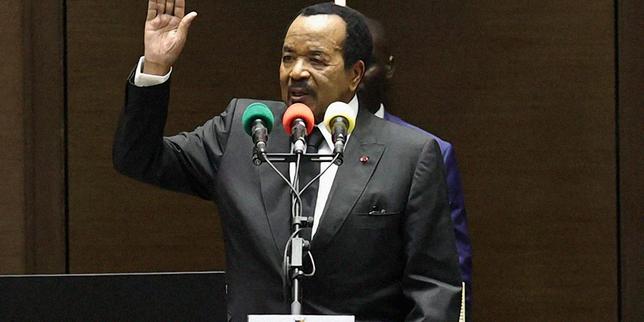
Cameroonian President Paul Biya secured a controversial eighth term in office, but the transition remains stalled with a new government yet to be established. This delay, coupled with extended parliamentary terms, fuels concerns about political stagnation and the country’s future leadership. The situation is marked by a significant lack of fresh faces within the government.
The parliament’s decision to extend terms for its members until December 2026 is particularly noteworthy, adding to the perception of an aging political establishment. Several key ministerial positions are currently held by deceased former politicians, a practice critics argue demonstrates a lack of urgency and innovation within the Biya administration. This ‘gerontocracy,’ as it’s being described, raises serious questions about the government’s ability to address pressing issues such as economic development and ongoing security challenges in the Angolan border region. Furthermore, the prolonged delay in forming a new government is eroding public trust and fueling speculation about the President’s intentions regarding future reforms.
Summarized from the sources above. Read the originals for the full story.
Highlights
Biya Re-elected Amidst Stagnation
Paul Biya's re-election, coupled with a 'gerontocracy' of deceased politicians leading ministries, indicates a lack of progress and fresh leadership in Cameroon.
Parliament Extends MP Terms
Cameroonian parliamentarians have extended their mandates until December 2026, further delaying potential reforms and accountability measures.
Disputed Election Raises Concerns
The disputed nature of Biya's eighth term fuels anxieties about the country's future trajectory and the legitimacy of the government.
Lack of Ministerial Reshuffle
Despite new leadership in parliamentary chambers, a ministerial reshuffle has not yet occurred, prolonging uncertainty about the government's composition.
Accountability Questions Persist
The extension of parliamentary terms raises concerns about the government's responsiveness to public demands and its overall accountability.