Germany Transports Nuclear Waste to Ahaus Storage Site
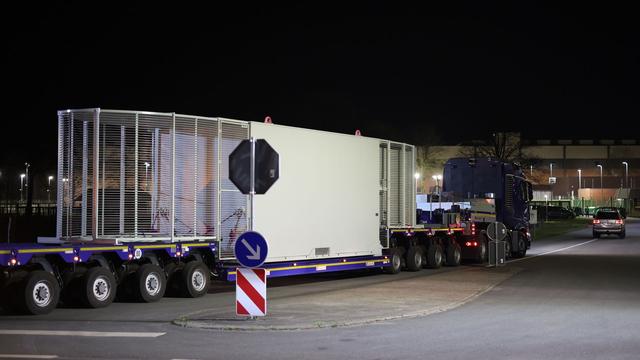
Germany is taking a controversial step in managing its legacy nuclear waste by transporting spent fuel elements from the Jülich research center to the Ahaus interim storage facility in Münsterland. This move, accompanied by protests and a heavy police presence, highlights the ongoing challenges and public concerns surrounding the storage of radioactive materials within the country.
The transport, overseen by authorities and supported by a significant police presence to manage demonstrations, is part of a pilot project aimed at assessing the viability of a deep geological repository – a solution that has been repeatedly blocked by public opposition and political debate. The Ahaus facility, located in the Münsterland region, is intended as a temporary storage location while a permanent solution is sought. Critics argue that temporary storage is a risky and ultimately unsustainable approach, raising concerns about potential leaks, security vulnerabilities, and the long-term impact on local communities. Despite the protests and anxieties, the operation underscores the urgency with which Germany is attempting to address its substantial nuclear waste burden, a problem inherited from its past reliance on nuclear energy. The success of this pilot project will be crucial in determining the future of Germany’s strategy for managing this hazardous material.
Summarized from the sources above. Read the originals for the full story.
Highlights
Waste Transport to Ahaus
Spent nuclear waste from Jülich is being temporarily stored in Ahaus as part of Germany's ongoing waste management strategy.
Pilot Project Begins
The transport marks the start of a pilot project to assess the feasibility of a deep geological repository for nuclear waste.
Public Opposition Continues
The operation faced widespread protests and a heavy police presence, highlighting public concerns about nuclear waste storage.
Complex Logistics & Risks
The transport of radioactive materials across Germany raises concerns about safety and the handling of potentially hazardous materials.
Long-Term Waste Management
This move is a crucial step in Germany’s long-term strategy for managing its legacy of nuclear waste.