Trump Imposes Tariffs on Medicines and Metals
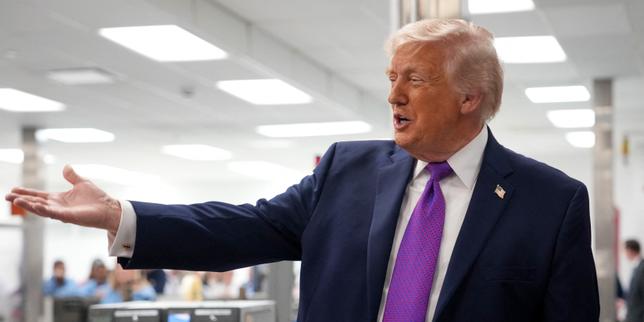
President Trump increased tariffs on medications and steel/aluminum. The changes are meant to protect national security and boost the US economy. These actions affect trade with countries like the European Union.
The Trump administration implemented new tariffs following a Commerce Department investigation. The goal was to stop companies from making profits and to bring manufacturing back to the United States. Tariffs of up to 100% were placed on medications from countries with trade deals, including the EU, Japan, and South Korea. The administration also reversed tariffs on metals to prevent companies from lowering import prices. These changes are expected to cause tension between the US and the European Union.
Summarized from the sources above. Read the originals for the full story.
Highlights
Tariffs on Pharmaceuticals
Trump imposed tariffs up to 100% on medicines to bring factories back to the US.
Steel Tariff Reversal
Trump reversed tariffs on steel and aluminum to prevent price manipulation.
EU Targeted by Tariffs
Tariffs of up to 100% were imposed on medicines from the EU.
National Security Justification
The tariffs are based on national security concerns and ‘windfall’ profits.
Trade Imbalance Strategy
The tariffs are part of a strategy to address trade imbalances between the US and other countries.
Perspectives
- Trump imposed tariffs on pharmaceuticals.
- The tariffs aim to bring manufacturing back to the US.
- The tariffs also affect steel and aluminum duties.
- The actions are based on a Commerce Department investigation.
The US administration believes tariffs are necessary for national security and to eliminate ‘windfall’ profits.
Politico EU, New
The EU and France24 see the tariffs as primarily driven by economic motives – encouraging factory re-establishment.
Le Monde, France24