Iran Executes Three Men Over January Protests
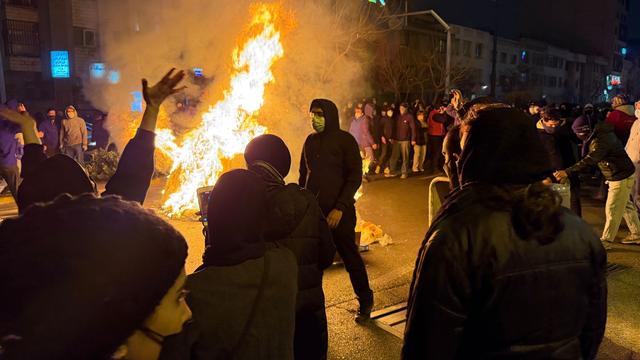
The Iranian government has executed three young men, aged 19 to 22, following their involvement in protests that began in January, sparking widespread condemnation from human rights organizations and raising serious concerns about due process and the suppression of dissent within the country.
The executions, announced across multiple sources, stem from a series of demonstrations fueled by economic hardship, social restrictions, and the death of Mahsa Amini. While initial reports focused on involvement in the protests themselves, later details revealed the men were convicted of moharebeh, a legal term signifying hostility against God, and included accusations of ties to foreign entities like Israel and the United States, as well as espionage. Notably, one of the executed men, Saleh Mohammadi, was a 19-year-old wrestling champion, highlighting the breadth of the crackdown. The actions are intensifying international pressure on Iran and are widely viewed as a deliberate escalation by the regime to quell ongoing unrest and silence dissent. The inclusion of an Iranian-Swedish national, Kourosh Keyvani, accused of espionage, further complicates the situation and suggests a broader targeting of opposition figures.
Summarized from the sources above. Read the originals for the full story.
Highlights
Executions Following Protests
Three young men were publicly executed in Iran as retribution for their involvement in widespread protests following economic hardship and social restrictions.
Human Rights Concerns Rise
International organizations and governments have condemned the executions, citing concerns about due process and the suppression of dissent within Iran.
Role of Mahsa Amini
The executions occurred amidst ongoing unrest sparked by the death of Mahsa Amini, further highlighting the government's response to dissent.
Allegations of Foreign Ties
The Iranian government accused the executed individuals of ties to Israel and the United States, escalating tensions with Western nations.
Legal Term 'Moharebeh' Used
The executions were based on the legal term 'moharebeh,' indicating hostility against God, raising questions about the fairness of the trials.
Perspectives
- Three young men were publicly executed by the Iranian regime.
- The executions followed protests that erupted in January.
- Human rights organizations have expressed concerns about due process and dissent.
- The executions are viewed as a retaliatory measure by the Iranian government.
Sources primarily frame the protests as driven by economic hardship and social restrictions, reflecting widespread anger.
ZEIT Online, ORF News, tagesschau
Sources emphasize the protests were fueled by the death of Mahsa Amini and broader human rights concerns.
ORF News, New
Some sources (France24, El País) highlight alleged ties to Israel and the United States, framing the executions as part of a broader geopolitical conflict.
France24, El País
Other sources (ZEIT Online, ORF News, tagesschau, New) focus solely on the Iranian government's actions and suppression of dissent, without explicitly mentioning external actors.
ZEIT Online, ORF News, tagesschau, New
Sources like El País and la Repubblica describe the charges as ‘moharebeh,’ a legal term related to hostility against God, suggesting a religious justification.
El País, la Repubblica
Other sources (ZEIT Online, ORF News, tagesschau, New) primarily refer to the men’s involvement in protests without explicitly detailing the legal charges.
ZEIT Online, ORF News, tagesschau, New