Frederiksen Secures Third Term Amidst Losses
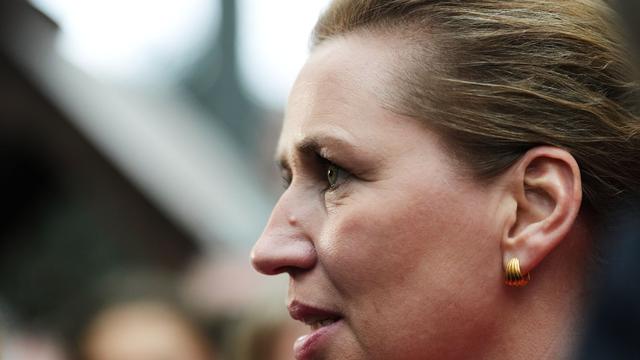
```json { "title": "Denmark's Shifting Political Landscape: A Post-Election Analysis", "sections": [ { "heading": "The Unexpected Outcome", "content": "Following a closely contested parliamentary election on March 24th, the left-wing coalition, led by the Social Democrats and comprised of five parties, secured a majority of 84 seats. This outcome was unexpected, as pre-election polls suggested a stronger showing for the center-right Moderate Party. Despite winning the most votes, the Social Democrats experienced their worst electoral performance in over a century, marking a significant shift in Danish political dynamics. This outcome has led to King Frederik X appointing Mette Frederiksen as the lead negotiator for forming a new government." }, { "heading": "Challenges and Negotiations", "content": "The victory of the left-wing coalition, while securing a majority, has presented immediate challenges. Prime Minister Mette Frederiksen submitted her resignation after her Social Democratic party experienced its worst election performance since 1903. This necessitates protracted coalition negotiations with other parties, including the Liberals and the Greens, to solidify a stable government. The negotiations are expected to be complex, requiring compromise and a willingness to bridge ideological divides. The outcome creates significant political uncertainty and raises questions about the future direction of the country." }, { "heading": "Key Factors Contributing to the Shift", "content": "Several factors contributed to the unexpected outcome. Firstly, voter dissatisfaction with the Social Democrats' handling of the Greenland crisis and their resistance to former US President Trump's policies played a significant role. Secondly, a broader trend across Europe, where center-left parties are successfully challenging right-wing and populist movements in response to figures like Trump, influenced the Danish electorate. Finally, the Moderate Party's strong performance, fueled by concerns about immigration and inflation, created a competitive environment that ultimately favored the left-wing coalition." }, { "heading": "Implications for Denmark's Future", "content": "The outcome of the election has significant implications for Denmark's future. It signals a shift in Danish politics towards a more progressive approach to policy, particularly on issues such as climate change and immigration. The instability created by the protracted negotiations could impact Denmark’s economic outlook and its relationship with the European Union. The situation underscores the challenges facing the government in navigating international relations
The election results revealed a significant shift in Danish political sentiment, largely driven by 기간 concerns over immigration and inflation. While the Social Democrats secured the most votes, their share was the lowest in over a century, significantly weakening Frederiksen’s position. The Moderate Party, now the largest single party, is poised to play a crucial role in forming the next government, potentially leading to a coalition with the Liberal Party and other smaller factions. Analysts suggest that the outcome reflects a broader trend of voter dissatisfaction with the established political order and a desire for a more pragmatic approach to governance. Furthermore, the situation highlights the challenges of building a stable majority in a multi-party system, particularly when significant divisions exist within the electorate. The coming weeks will be critical as parties attempt to forge a consensus and determine the future direction of Denmark.
Summarized from the sources above. Read the originals for the full story.
Highlights
Social Democrats Secure Victory, But Lack Majority
Following the Danish elections, Mette Frederiksen’s Social Democratic Party won the most votes but failed to secure a majority, leading to uncertainty about coalition formation and potential prolonged negotiations.
Trump Factor Fuels Social Democratic Success
The Social Democratic Party’s success in the Danish elections was largely attributed to public support for their stance against US President Trump and related geopolitical tensions.
Historic Loss for Social Democrats
The Social Democrats experienced their worst electoral result since 1903, forcing Prime Minister Mette Frederiksen to seek support from other parties to maintain her position.
Coalition Negotiations Expected to Be Complex
The fragmented political landscape following the Danish elections necessitates complex coalition negotiations, potentially lasting weeks and leading to a minority government or new elections.
Shift in Danish Politics Signals Instability
The election results indicate a significant shift in Danish politics, raising questions about the stability of the current ruling coalition and the future direction of the country’s policy.
Perspectives
- The Social Democratic Party won the Danish elections.
- Mette Frederiksen remains Prime Minister, though with a weakened position.
- Coalition negotiations will be complex and potentially lengthy.
- The election results signal a shift in Danish political landscape.
The Social Democrats' victory was driven by opposition to Trump and the resulting geopolitical tensions.
Politico EU, The Guardian Europe, RTBF
The annexation attempts were a significant factor, but not the primary driver of the win.
El País, ORF News, FAZ
The victory was surprising, considering the party's worst result since 1903.
El Mundo, De Volkskrant
The victory was expected, reflecting a ‘rally around the flag’ response.
Politico EU, ZEIT Online, tagesschau
The Social Democrats will need to form a coalition with moderate parties to maintain power.
El País, El Mundo, De Volkskrant
A centrist or centre-right coalition is more likely, given the fragmented results.
The Guardian Europe, New