Iran allows some Indian ships to pass through Hormuz Strait
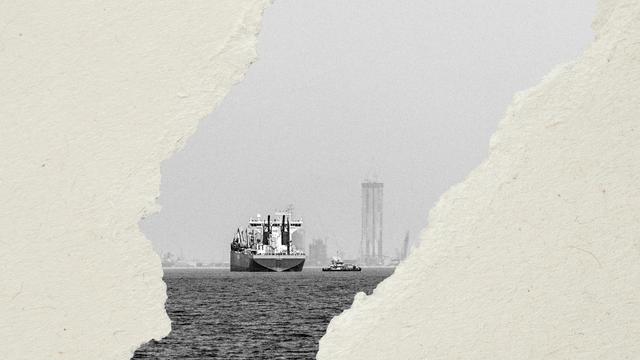
ExxonMobil is considering a major shift in its oil trading strategy, moving away from relying heavily on the Strait of Hormuz for its supply of crude oil. This decision comes amid heightened tensions and risks associated with the waterway, following Iran’s imposition of tolls for ships transiting the strait and escalating attacks on vessels. Sources within ExxonMobil indicate that the company is actively exploring alternative sourcing options, including increased purchases from the United States, Saudi Arabia, and other producers outside the Persian Gulf region. This strategic shift is driven by a desire to mitigate potential disruptions to supply chains and reduce exposure to geopolitical risks. “We’ve always had contingency plans in place, but the current situation has accelerated our thinking,” said one executive familiar with the company’s deliberations. “The Strait of Hormuz has become an increasingly volatile and unpredictable environment, and we need to ensure the security and reliability of our supply.” The move by ExxonMobil is likely to be mirrored by other major oil companies, particularly those with significant trading operations in the region. The imposition of tolls by Iran, coupled with the threat of attacks by regional actors, has created a challenging and uncertain environment for shipping and trade through the Strait of Hormuz, which accounts for approximately 20% of global oil shipments. Analysts suggest that this shift in sourcing strategy could have a significant impact on global oil markets, potentially leading to higher prices and increased competition among producers. However, ExxonMobil remains confident that it can successfully diversify its supply chain and maintain its position as a leading global energy company.
Summarized from the sources above. Read the originals for the full story.
Highlights
Iran Permits Ship Transit Amidst Tensions
Iran has cautiously begun allowing certain ships, including Indian vessels, to navigate the Strait of Hormuz, a strategic waterway, amidst heightened regional tensions and potential disruptions to global oil shipments.
Hormuz Strait Blockade Fuels Geopolitical Concerns
Iran’s blockade of the Strait of Hormuz continues to raise concerns about global oil supplies and escalate regional tensions, particularly as it impacts vital trade routes.
India's Gas Shortage Drives Hormuz Passage
India’s gas shortage has prompted the country to seek access to the Strait of Hormuz to secure vital energy supplies, highlighting the economic consequences of the conflict.
Iran Seeks to Disrupt Western Unity
Iran is strategically allowing ships through the Strait of Hormuz to attempt to drive a wedge between the United States and its allies, further complicating diplomatic efforts.
Security Risks Mount in the Strait of Hormuz
The ongoing Iran-Israel conflict has created significant security risks in the Strait of Hormuz, with potential for disruptions to maritime trade and escalating regional instability.
Perspectives
- Iran has permitted some ships to transit the Strait of Hormuz.
- The Strait of Hormuz is a strategically vital waterway for global oil shipments.
- The situation is characterized by heightened tensions and potential disruption to maritime trade.
- Iran's actions are linked to its geopolitical strategy and regional influence.
El País, FAZ, and El Mundo see it as a calculated move to exert leverage and control global oil routes, particularly targeting Asian nations.
El País, FAZ, El Mundo
ZEIT Online and DW Deutsch view it as a strategic preparation for potential blockades and a demonstration of Iran's military capabilities.
ZEIT Online, DW Deutsch
Der Spiegel and FAZ emphasize the strategic importance of the Strait, particularly the Arabian Peninsula pipeline, making it a key target.
Der Spiegel, FAZ
El País and El Mundo highlight the broader geopolitical implications and potential for escalation within the conflict between US, Israel and Iran.
El País, El Mundo
ZEIT Online and DW Deutsch portray Iran as actively preparing for a blockade, utilizing advanced weaponry and posing a significant ongoing threat.
ZEIT Online, DW Deutsch
The US military (RTBF) claims to have significantly reduced the Iranian threat through recent strikes, suggesting a shift in the balance of power.
RTBF