AI May Not Solve UK Skills Shortage, Study Finds
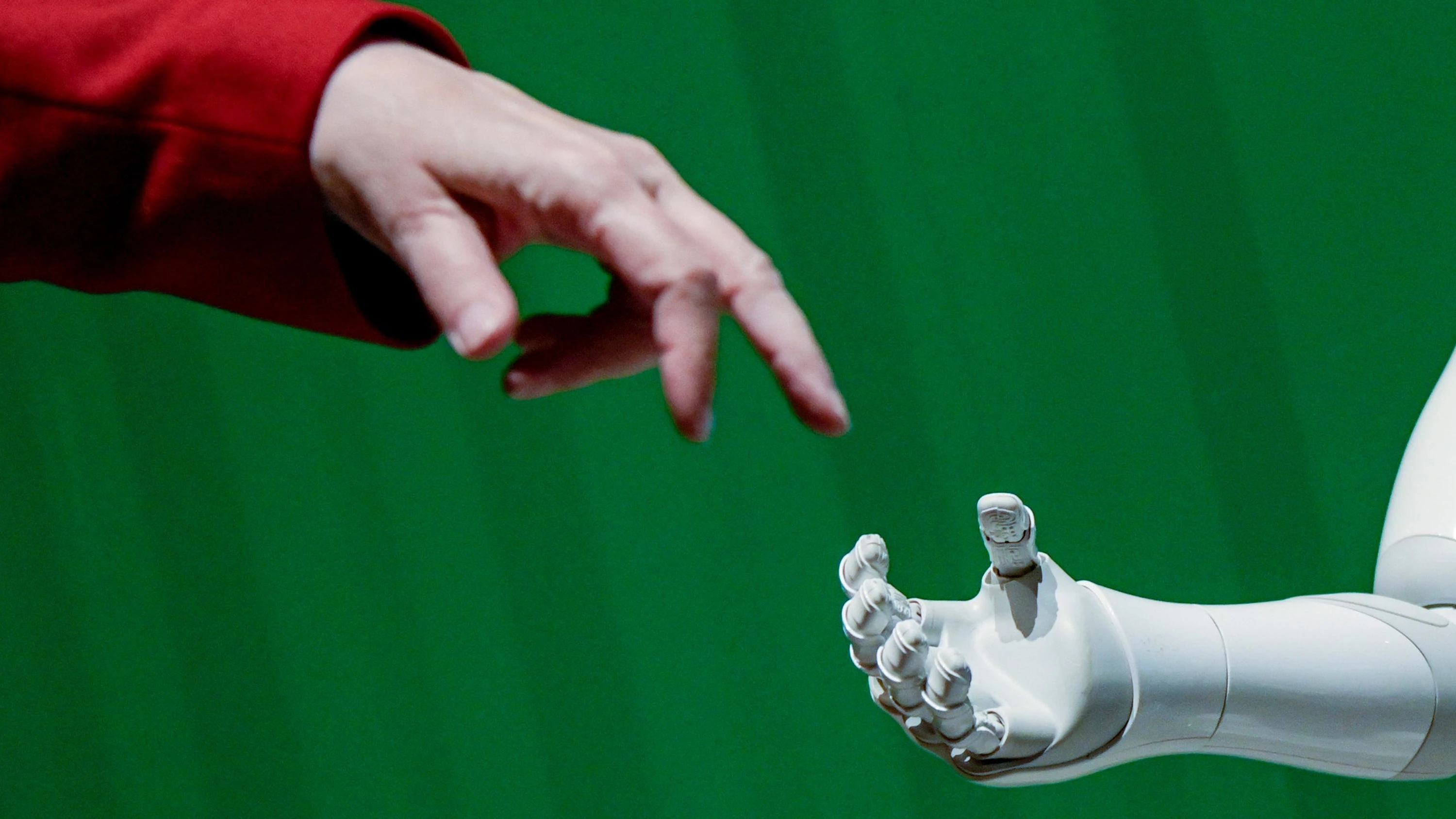
A new study from the IfM institute in Germany reveals that artificial intelligence is rapidly being implemented within German businesses, fundamentally changing workflows and creating a demand for new skills. This development is occurring amidst a broader national crisis of skilled worker shortages, raising significant concerns about the future of employment.
The IfM’s findings align with broader trends of an aging workforce, as the Institute for Employment Research (IAB) projects a worsening shortage of skilled labor driven by the retirement of a large cohort of baby boomers. This shortage is particularly acute in a specific, currently unidentified profession, according to the IAB’s projections. The integration of AI into German companies offers a potential solution, but simultaneously necessitates substantial investment in retraining programs to equip the workforce with the skills needed to operate alongside and manage these new technologies. Experts are now debating the scale of this shift and whether AI can truly bridge the gap, or if further structural changes to the German economy are required to address the underlying demographic challenges.
Summarized from the sources above. Read the originals for the full story.
Highlights
AI's Potential Role in Labor Shortage
An IfM study indicates AI adoption is changing German industries, potentially reducing the skilled worker shortage.
Retirements Fueling Skills Gap
Rising retirements of baby boomers are worsening Germany’s existing shortage of skilled labor.
IAB Predicts Continued Shortage
The Institute for Employment Research (IAB) forecasts a worsening of the skills shortage in Germany.
Specific Profession Faces Critical Demand
A recent study identifies a particularly large gap in a specific profession, requiring urgent action.
Workforce Retraining Needed
The rise of AI necessitates investment in workforce retraining programs to adapt to new skill demands.