UNESCO lists Lebanese, West Bank sites as endangered.
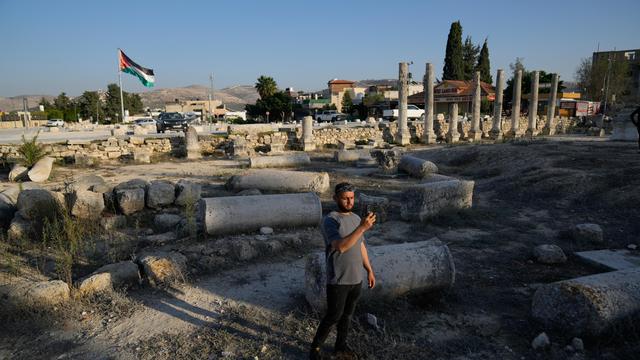
UNESCO has listed a West Bank archaeological site and Lebanese castles as ‘World Heritage in Danger’. Israel disagrees with this decision. This raises concerns about protecting cultural heritage.
UNESCO added the Sebastia archaeological site in the West Bank and several Lebanese castles to its World Heritage List. Israel objected to this listing, claiming the sites were in disputed territory. The U.N. committee voted to include the sites despite these objections. The decision highlights the challenges of protecting cultural heritage in areas with political tensions. The sites are now under international protection standards.
Summarized from the sources above. Read the originals for the full story.
Highlights
UNESCO Lists Sites in Danger
UNESCO added a Lebanese castle and a West Bank site to the ‘World Heritage in Danger’ list because of Israeli activity.
Israel Objects to UNESCO Decisions
Israel rejected the UNESCO listings of the Sebastia site and Lebanese castles.
Sebastia Site Needs Protection
The Sebastia archaeological site in the West Bank is threatened by a project.
Five Lebanese Castles Protected
UNESCO protected five Lebanese castles as World Heritage Sites.
Disputed Territory Concerns Raised
The decision raises concerns about cultural heritage in politically disputed areas.
Perspectives
- UNESCO listed the Lebanese castle and Sebastia site as ‘World Heritage in Danger’.
- Israel rejected the UNESCO listings.
- The listings aim to protect cultural heritage in the region.
- The UNESCO decision was made quickly.
France24, ZEIT Online, and New argue the listings are justified due to Israeli activity threatening the sites.
France24 English, ZEIT Online, New
Israel argues the nominations are a misuse of cultural heritage and the sites are in disputed territory.
France24 English, ZEIT Online