German debt brake fails to curb borrowing.
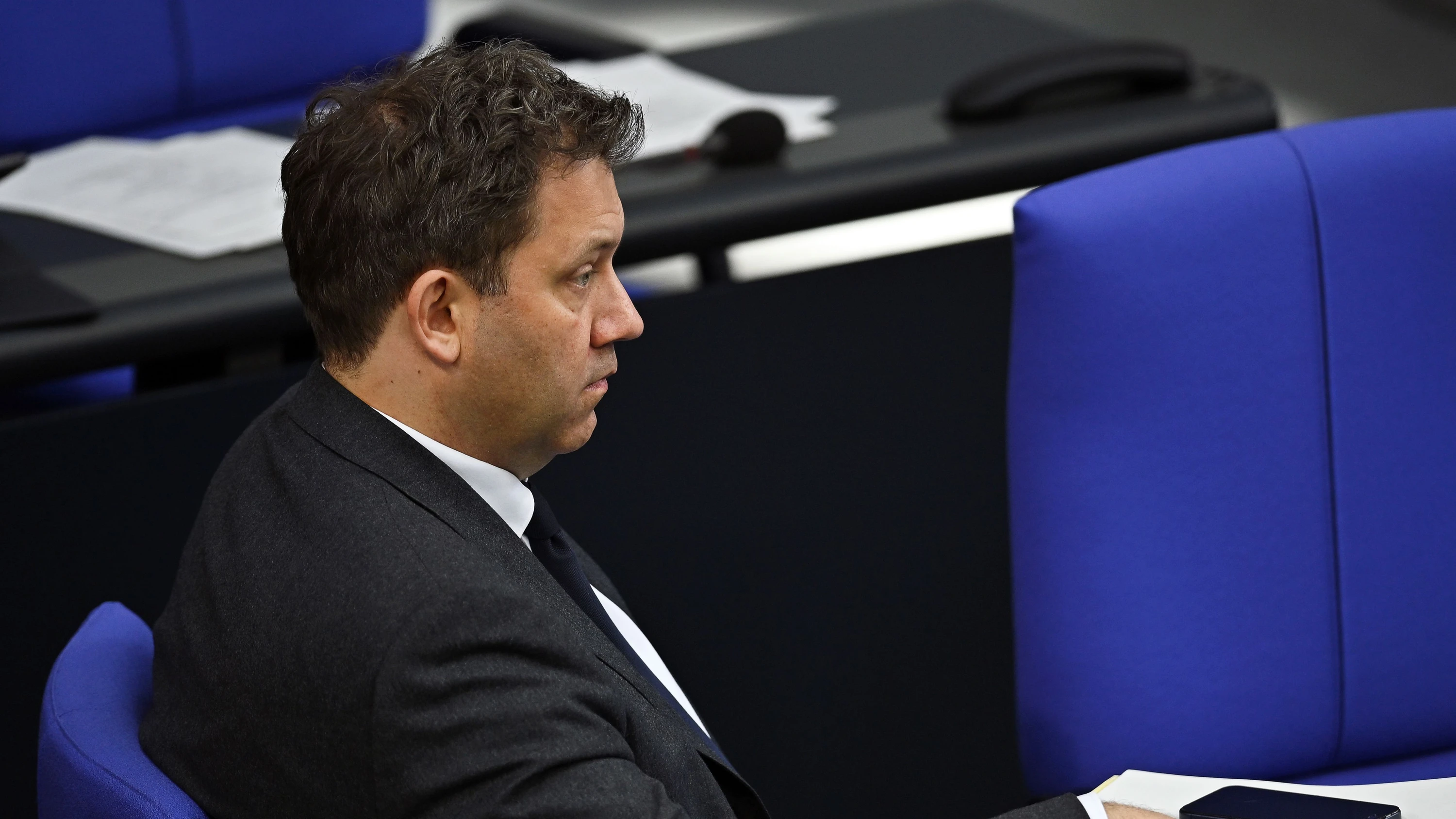
Germany has recently taken on substantial new loans, a move that has immediately sparked debate. Despite the increased debt, the government insists it's unwarranted and defends its fiscal decisions. This discrepancy is raising serious questions about Germany's economic strategy and its commitment to responsible spending.
The core of the issue lies in the disconnect between borrowing and investment. While Germany’s debt has risen significantly, the funds haven’t been deployed to stimulate economic growth or support key industries. Critics argue that the government’s justification – that the debt is ‘unnecessary’ – is a simplistic and potentially damaging narrative, ignoring the complex realities of a slowing global economy and persistent inflation. Furthermore, the government’s stance directly challenges the ‘debt brake’ – a cornerstone of German fiscal policy – which mandates strict limits on government borrowing and spending. This situation is forcing a critical examination of Germany’s economic priorities and the long-term implications of its current approach.
Summarized from the sources above. Read the originals for the full story.
Highlights
German Debt Crisis Loan
Germany's large loan hasn't spurred investment, prompting concerns about fiscal policy and the debt brake.
Debt Brake Failure?
The government's borrowing is failing to translate into increased investment, raising questions about Germany's economic strategy.
Unnecessary Debt Concerns
The federal government defends the loan, arguing it's unnecessary, fueling debate about fiscal responsibility.
Fiscal Policy Under Scrutiny
Germany's borrowing practices are being closely examined for their impact on economic growth.
Investment Gap Identified
Despite significant borrowing, investment levels remain stagnant, presenting a key economic challenge.