Iran war risks higher inflation, supply chain problems.
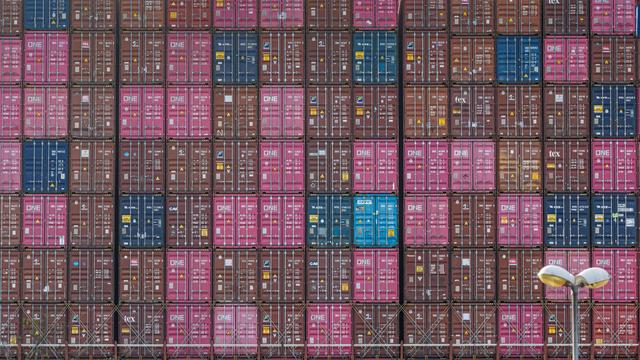
The war between Iran, the United States, and Israel is causing higher prices. The International Monetary Fund and the World Bank are worried about the impact. The Federal Reserve is watching the situation closely.
The conflict in Iran has led to rising oil prices. This increase is affecting the cost of plastics and chemicals. The IMF believes this is causing global inflation and disrupting supply chains. The World Bank is concerned about job losses and problems with food supplies. The Federal Reserve is monitoring the situation for potential economic effects.
Summarized from the sources above. Read the originals for the full story.
Highlights
Powell's Inflation Expectations
Jerome Powell stated that long-term inflation expectations are still under control despite the Iran-US conflict.
IMF Warns of Inflation Risks
The IMF warns that the Iran conflict is increasing inflation and disrupting supply chains.
Chemical Industry Impact
The war is driving up the cost of plastics and chemicals, contributing to global inflation.
Middle East Vulnerability
Rising tensions in the Middle East highlight the vulnerability of relying on fossil fuels.
World Bank's Global Concerns
The World Bank is worried about rising inflation, job losses, and food supply problems.
Perspectives
- The war in Iran is causing rising oil prices.
- The war is impacting global supply chains.
- The war is contributing to inflation.
- The Federal Reserve is watching the situation closely.
The IMF believes the Iran conflict is driving up inflation.
ZEIT Online, New
The war is impacting the chemical industry, leading to plastic and chemical price increases.
Le Monde