War’s Impact: Asia Faces School Closures, Shortened Weeks
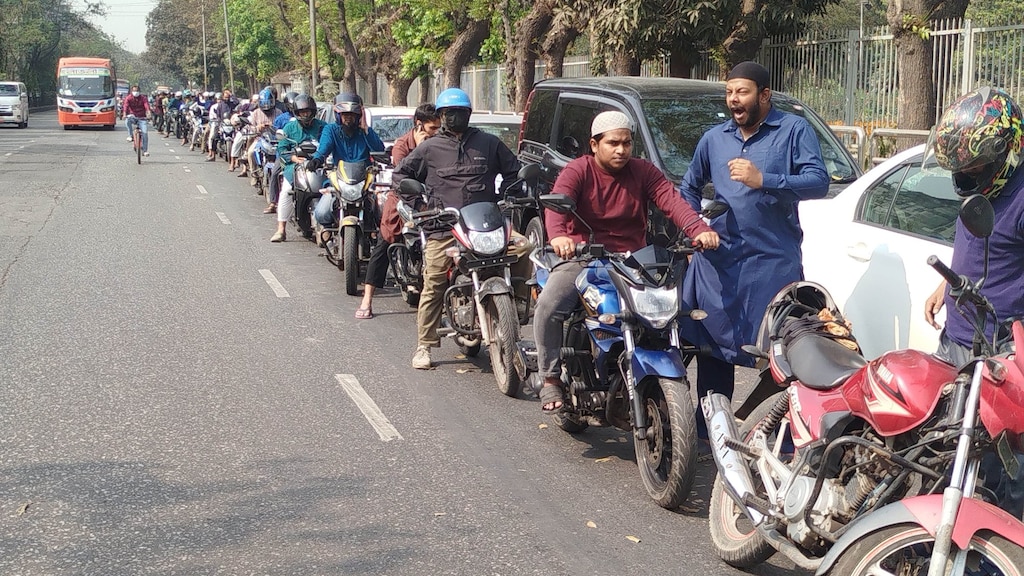
The escalating conflict in the Middle East is triggering a severe global crisis, with Southeast Asian nations like Indonesia and the Philippines facing a critical fuel shortage and widespread economic disruption. This instability is directly impacting supply chains and leading to significant challenges for these countries.
The ripple effects of the conflict are being felt acutely in countries heavily reliant on imported energy. In Thailand, the government has implemented strict energy conservation measures, including limiting non-essential public services and encouraging citizens to reduce their energy consumption. Similar actions are being taken in Bangladesh, where consumer panic buying has exacerbated the problem, and the Philippines, where university closures have disrupted education. Experts warn that these measures, while necessary, could further slow economic growth and potentially lead to social unrest if the situation doesn't stabilize quickly. The situation highlights the interconnectedness of the global economy and the vulnerability of nations dependent on international trade routes for vital resources.
Summarized from the sources above. Read the originals for the full story.
Highlights
Middle East Conflict Impacts Asia
The ongoing Middle East conflict is causing significant economic disruption across Asia, particularly concerning fuel supply and rising prices.
Fuel Shortages and Closures
Countries like Indonesia, Philippines, and Thailand are grappling with fuel shortages, leading to school closures and work-from-home mandates.
Global Supply Chain Disruptions
Disruptions in global supply chains are exacerbating the fuel crisis and impacting economies reliant on imported energy.
Consumer Response - Hoarding
Rising fuel prices are triggering consumer hoarding behaviors, further straining supply chains.
Regional Economic Concerns
Authorities are expressing significant concern over the escalating situation and its potential consequences for the region's population and economy.