US, Japan Plan Billions for Nuclear Reactors
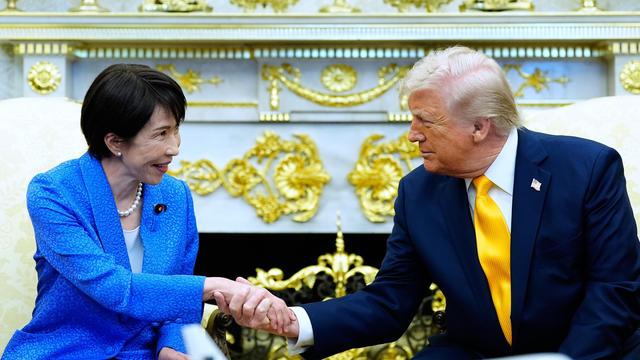
The United States and Japan have unveiled a substantial investment plan, totaling billions of dollars, to construct new nuclear reactors and gas-fired power plants across the US. This unprecedented collaboration signals a strategic realignment of energy priorities and a commitment to bolstering both nations’ energy security. The deal is intricately linked to a broader trade agreement involving tariff reductions.
The core of the agreement centers on Japan’s $35 billion investment in nuclear reactor construction, primarily slated for Tennessee and Alabama, alongside investments in natural gas plants. This move is intended to diversify energy sources and reduce dependence on volatile global markets, particularly given recent geopolitical instability. Experts are already debating the potential impact on the US nuclear industry, which has faced declining investment and regulatory challenges in recent years. Furthermore, the partnership raises concerns about the potential for increased nuclear proliferation, prompting calls for stringent oversight and safeguards. The trade agreement, involving reduced tariffs on Japanese goods, adds another layer of complexity to the deal’s implications for international trade relations.
Summarized from the sources above. Read the originals for the full story.
Highlights
US-Japan Nuclear Investment Plan
The United States and Japan are collaborating on a multi-billion dollar project to build new nuclear reactors and gas-fired power plants, prioritizing energy security and stable prices.
Japan's $35 Billion Investment
Japan will invest approximately $35 billion in the construction of nuclear reactors within the US as part of a broader trade agreement.
Tennessee & Alabama Reactors
The initial nuclear reactor construction will take place in Tennessee and Alabama, marking a key location for the project.
Energy Security Focus
Both nations' primary goal is to bolster energy security and reduce dependence on fossil fuels through this investment.
Potential Proliferation Concerns
The deal has raised questions about potential nuclear proliferation concerns and international energy partnerships.
Perspectives
- The United States and Japan are investing heavily in energy infrastructure.
- The primary goal is to enhance energy security for both nations.
- The investment includes nuclear reactors and gas-fired power plants.
- This represents a shift in energy policy and international partnerships.
The investment is primarily about bolstering energy security and reducing reliance on fossil fuels, presenting a strategic response to global energy challenges.
New, ZEIT Online
The agreement is fundamentally a trade deal, leveraging nuclear investment to reduce US tariffs on Japanese goods.
Der Spiegel