Berlin Eyes Mainz Reforms; Merz Government Faces Deadline
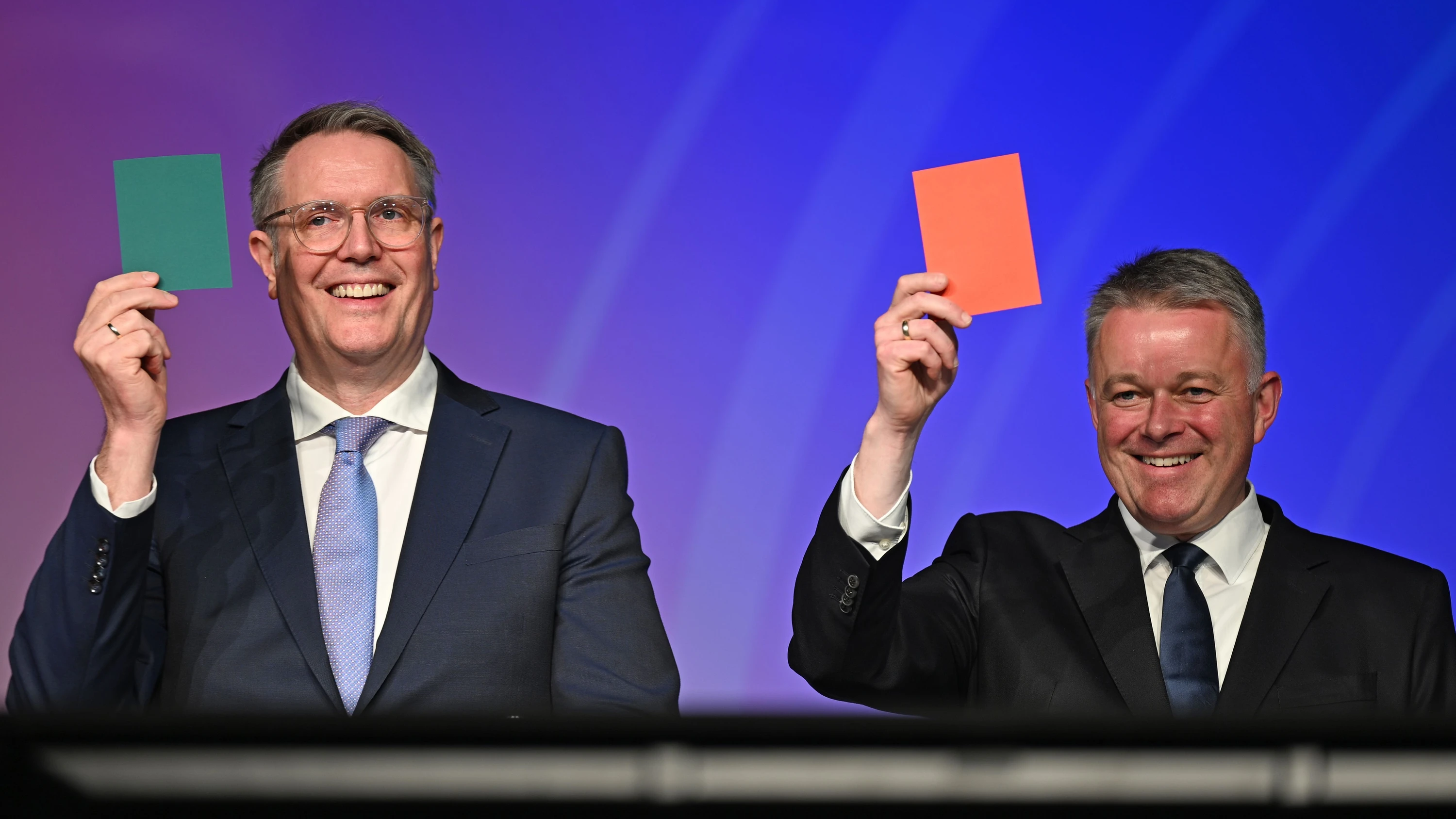
German Chancellor Olaf Scholz’s coalition government is facing a critical setback as they delay implementing significant reforms, primarily triggered by recent state election results in Rhineland-Palatinate. This delay exposes deep internal divisions within the government and raises serious questions about its ability to address pressing economic and social challenges. The situation highlights a potential weakening of Scholz’s leadership and the overall stability of the ruling coalition.
The delay stems from a complex interplay of factors, most notably the unexpectedly strong performance of the CDU, led by Friedrich Merz, in the Rhineland-Palatinate elections. This success has emboldened the opposition and amplified calls for a more assertive government stance, particularly on issues of economic reform and energy policy. Scholz’s SPD, already grappling with declining poll numbers, is facing renewed pressure from its coalition partners, particularly the Greens and FDP, to demonstrate greater urgency. Analysts suggest the government’s hesitation reflects a strategic shift towards prioritizing upcoming federal elections over immediate policy action, a move that could further erode public trust and exacerbate the existing political tensions. The situation underscores a growing vulnerability within the coalition, potentially leading to further instability and hindering Germany’s ability to respond effectively to global economic headwinds.
Summarized from the sources above. Read the originals for the full story.
Highlights
Scholz Government Delaying Reforms
Chancellor Scholz's coalition is postponing significant reforms, spurred by recent election results and internal disagreements.
Merz Challenges Weakened Coalition
The CDU, led by Merz, is capitalizing on the SPD's weakness to pressure the government for action.
Electoral Results Drive Action
Recent state elections in Rhineland-Palatinate have prompted the coalition to finally address reform proposals.
Government Stability at Risk
Internal divisions and shifting priorities threaten the stability of Scholz’s governing coalition.
Economic and Social Concerns Rise
The delay in reforms raises concerns about the government’s ability to tackle pressing economic and social issues.