EU Leaders Urge Swift Action on Energy Price Surge
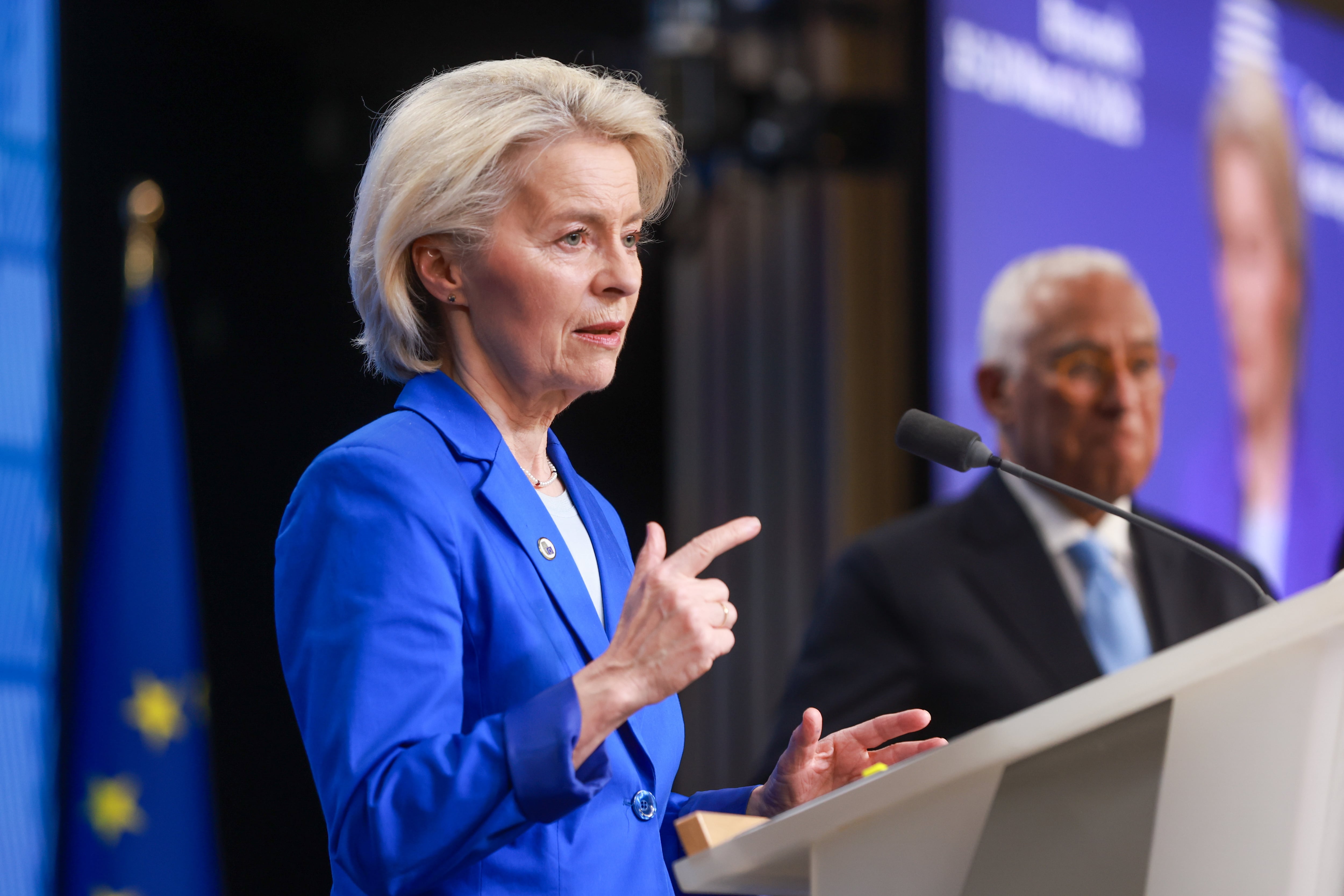
European nations are exhibiting behaviors reminiscent of past crises in response to soaring energy costs, driven primarily by the ongoing conflict in the Middle East and its impact on global energy markets. This situation is prompting coordinated policy responses and heightened diplomatic activity amongst member states as they grapple with rising prices and potential supply disruptions.
The interconnected crises are creating a volatile environment, with concerns escalating beyond just energy prices. The conflict between Iran and Israel is exacerbating the situation, fueling fears of further supply disruptions and potentially triggering a new ‘oil shock’ as highlighted by French Minister Roland Lescure. EU leaders are focusing on immediate measures like targeted tax cuts for energy-intensive industries, as discussed in Brussels, alongside broader strategies to stabilize markets and mitigate the economic fallout. Notably, countries are employing diverse approaches, from Spain’s support measures to Slovakia’s unusual sanctions on foreign drivers, demonstrating the varied vulnerabilities of European economies. The situation is further complicated by rising energy bills across France, with an average increase of 45 euros since March, adding to the financial strain on households and raising concerns about broader economic stability.
Summarized from the sources above. Read the originals for the full story.
Highlights
Energy Crisis Drives EU Response
Multiple European nations are reacting to soaring energy costs with coordinated policy responses and diplomatic activity due to supply security concerns.
Iran-Israel Conflict Fuels Instability
Escalating tensions between Iran and Israel are exacerbating the European energy crisis and creating global instability.
EU Focuses on Short-Term Solutions
The European Union is implementing selective measures and industry-specific solutions to address rising energy prices, with further proposals planned.
Austria Calls for Electricity Reform
Chancellor Stocker advocates for reforming the electricity pricing system to address unfair disadvantages for renewable energy countries.
Rising Energy Bills Impact Households
French households are experiencing a significant increase in energy bills, averaging 45 euros since March, due to rising prices.
Perspectives
- All sources agree that high energy prices are a major concern.
- The EU is responding to rising energy prices with various measures.
- The conflict in Iran/Israel is a key driver of the energy crisis.
- There's a focus on mitigating the economic impact on businesses and consumers.
EU leaders are advocating for immediate, broad measures like tax cuts and market stabilization.
ORF News, De Volkskrant, France24 English
The EU is proposing a short-term, targeted response focused on specific industries and a phased approach.
El País
The primary driver of the crisis is the conflict between Iran and Israel.
El País, France24 English, New
Rising energy prices are primarily due to broader economic fallout from the Ukraine and Iran wars.
ORF News, De Volkskrant
Proposed solutions include tax cuts for energy-intensive industries and broader market interventions.
ORF News, De Volkskrant, France24 English
Some nations, like Slovakia, are considering more drastic measures like sanctions on foreign drivers.
RFI