NASA Prioritizes Lunar Base Over Orbital Station
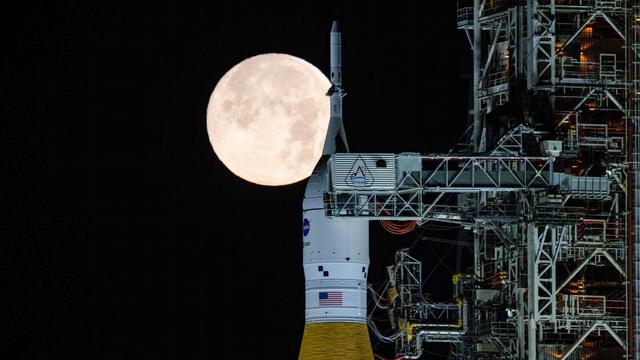
NASA has dramatically shifted its lunar exploration strategy, abandoning plans for a lunar orbital station – dubbed the Gateway – and instead committing to establishing a permanent base on the Moon. This decision, driven by cost considerations, a competitive landscape with nations like China, and a desire for more sustainable research opportunities, represents a significant redirection of resources and a renewed focus on immediate lunar exploration goals. The move is expected to accelerate the timeline for human presence on the Moon.
The revised strategy, spearheaded by NASA’s director Jared Isaacman, anticipates achieving a sustained human presence by 2028, a timeframe previously considered unattainable. Initial phases of the project will involve transportation and technology testing, followed by the construction of the base itself. Estimates place the total cost of the endeavor at $20 billion over seven years, a substantial investment that will require collaboration with international partners. This shift also acknowledges the growing competition between the United States and China for dominance in lunar exploration, potentially influencing the pace and direction of future space missions. Furthermore, the focus on a surface base opens up possibilities for resource utilization, such as extracting water ice for fuel and life support, which is crucial for long-term lunar habitation and future missions to Mars.
Summarized from the sources above. Read the originals for the full story.
Highlights
NASA Prioritizes Lunar Base
NASA is shifting its strategy from an orbital lunar station to establishing a permanent base on the Moon, driven by cost, technological considerations, and a desire for sustainable research opportunities.
Lunar Exploration Race Intensifies
The decision reflects a renewed competition between the US, Russia, and China for lunar exploration dominance, with increased focus on immediate lunar exploration goals.
Gateway Project Suspended
NASA has canceled plans for the Lunar Gateway space station, prioritizing a more direct approach to establishing a lunar base.
Significant Funding Commitment
NASA is investing $20 billion over seven years in the lunar base project, signaling a major commitment to lunar exploration and development.
Competition with China
The shift is partly influenced by a competitive race with China for lunar dominance, driving the need for a rapid and impactful lunar presence.
Perspectives
- NASA is shifting its focus from a lunar orbital station to a permanent base on the Moon.
- The primary driver of this change is competition with China and other nations for lunar dominance.
- The new strategy prioritizes sustainable and scientifically valuable research opportunities on the Moon.
- The project involves significant investment and technological development, including nuclear-powered spacecraft.
NASA is prioritizing a rapid, ambitious base establishment, driven by competition and a desire for space superiority, exemplified by the 2026 target date and nuclear reactors. (ANSA, El País, El Mundo, la Repubblica, Público)
ANSA, El País, El Mundo, la Repubblica, Público
NASA is adopting a more measured, long-term approach focused on sustainable research and preparing for future missions like Mars, prioritizing a phased development. (DW English, Der Spiegel, Le Monde, ZEIT Online, New)
DW English, Der Spiegel, Le Monde, ZEIT Online, New
The project is largely driven by the US administration's goals and priorities, potentially diminishing the importance of international partnerships. (El País, El Mundo)
El País, El Mundo
The project retains a collaborative element, though the shift in focus may impact the involvement of international partners. (ANSA, DW English, New)
ANSA, DW English, New