Iranian Football Players Return Home After Asylum Withdrawal
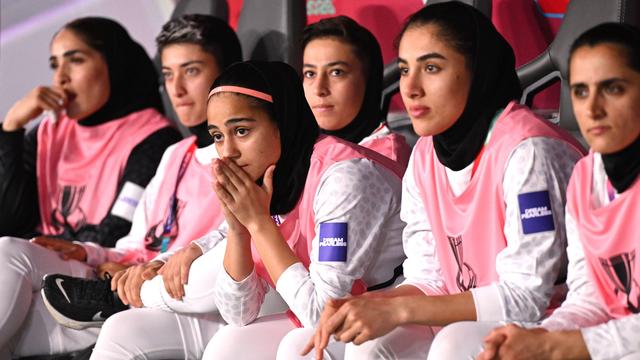
Three Iranian female football players have withdrawn their asylum applications in Australia and have returned home. This decision follows a pattern of Iranian athletes reconsidering their decisions to seek asylum abroad, highlighting the complex dynamics of sports and politics in Iran and the challenges faced by athletes from restrictive regimes.
The story began with five Iranian women’s soccer players, including the captain Zahra Ghanbari, seeking asylum in Australia following a silent protest during the Asian Cup. They cited concerns over their safety and freedom in Iran, a move that garnered international attention and raised questions about the potential repercussions for their families. Subsequent reports revealed a pattern of other Iranian athletes, including a team staff member, also withdrawing their asylum requests, initially seeking refuge in Malaysia. This trend has been fueled by reports of pressure from Iranian authorities and concerns about athlete safety, with human rights organizations accusing Iranian officials of pressuring athletes abroad. The situation underscores the broader struggle for freedom and safety among Iranian citizens and the difficult choices faced by athletes seeking to escape oppressive regimes. The return of these players to Iran, met with a celebratory welcome in Tehran, marks a complex moment for women’s sports in the country, highlighting ongoing restrictions and the international scrutiny surrounding their situation.
Summarized from the sources above. Read the originals for the full story.
Highlights
Five Players Withdraw Asylum Applications
Five Iranian female football players, including the team captain, have withdrawn their asylum applications in Australia, raising concerns about their safety and the reasons behind their change of heart.
Political Tensions Fuel Athlete Exodus
The decision of Iranian athletes to seek asylum abroad highlights the ongoing political and social issues within Iran and the perceived risks faced by individuals challenging the regime.
Silent Protest Sparks International Scrutiny
The team's initial silent protest during the Asian Cup, and subsequent decision to seek asylum, has drawn international attention to the situation and the restrictions faced by female athletes in Iran.
Return Marked by Celebration and Uncertainty
The return of several Iranian players to Iran was met with a celebratory welcome, but their future remains uncertain, with ongoing concerns about potential repercussions.
Human Rights Concerns Intensify
The reported pressure from Iranian authorities on athletes and the threat to their families have raised serious human rights concerns and fueled the decision to seek asylum abroad.
Perspectives
- Most sources agree that five Iranian female football players have withdrawn their asylum applications in Australia.
- There is a shared understanding that the players sought asylum due to safety concerns and potential repercussions in Iran.
- The situation highlights the complex relationship between athletes and the Iranian regime.
- The players' decisions are linked to broader political and social issues within Iran.
DW English, DW Deutsch, ZEIT Online, tagesschau, NU.nl, ORF News, RTL Nieuws, New” emphasize government pressure and fear of punishment as primary drivers for the players’ decisions.
DW English, DW Deutsch, ZEIT Online, tagesschau, NU.nl, ORF News, RTL Nieuws, New
DW English, DW Deutsch, ORF News, RTL Nieuws, New” suggest the decisions are linked to broader political and social issues in Iran, framing it as a struggle for freedom and safety.
DW English, DW Deutsch, ORF News, RTL Nieuws, New
DW English, DW Deutsch, NU.nl, RTL Nieuws, New” portray Australia as actively offering asylum and supporting the players, highlighting calls for further assistance.
DW English, DW Deutsch, NU.nl, RTL Nieuws, New
ORF News, ZEIT Online” frame the Australian response as a consequence of the players’ actions and a limited intervention.
ORF News, ZEIT Online