German: Local Elections: Initial Data Reveals Key Trends
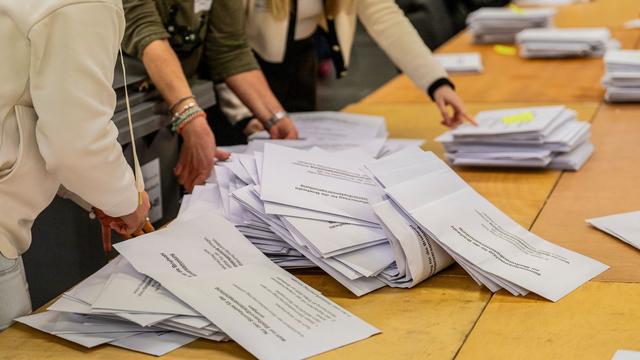
Recent local elections in Germany are providing crucial early insights into voter sentiment and the shifting political landscape. Analysts are meticulously examining the results to predict potential changes before the upcoming national elections, with key regions and parties under intense scrutiny.
The adjustments being made by German state governments are particularly noteworthy, reflecting a recognition that local election outcomes frequently mirror national trends. These states are prioritizing regional concerns – such as infrastructure, education, and economic development – to resonate with voters and secure support. The SPD (Social Democratic Party) is reportedly focusing heavily on issues of social justice and affordable housing in several key states, while the CDU/CSU (Christian Democratic Union/Christian Social Union) is emphasizing traditional values and economic stability. Furthermore, the Green Party is attempting to capitalize on environmental concerns, particularly in areas with strong renewable energy sectors. Ultimately, the success of these strategies will significantly impact the trajectory of German politics in the months leading up to the national vote.
Summarized from the sources above. Read the originals for the full story.
Highlights
Local Election Data Analysis
Initial data from German local elections is being analyzed to identify voter trends and predict future political shifts.
State Politics Adapts Strategically
German state governments are modifying their approaches in response to the upcoming local elections, recognizing their influence on broader political trends.
Local Results Reflect National Trends
The outcomes of local elections often mirror and can shape larger political movements at the state and national levels.
Regional Issues Drive Party Focus
Key parties are concentrating on regional concerns to gain support during the local elections.
Monitoring Key Regions and Parties
Significant developments in specific regions and parties are being closely observed for their potential impact.