Portugal Votes to Reverse Gender Identity Law, Sparks Controversy
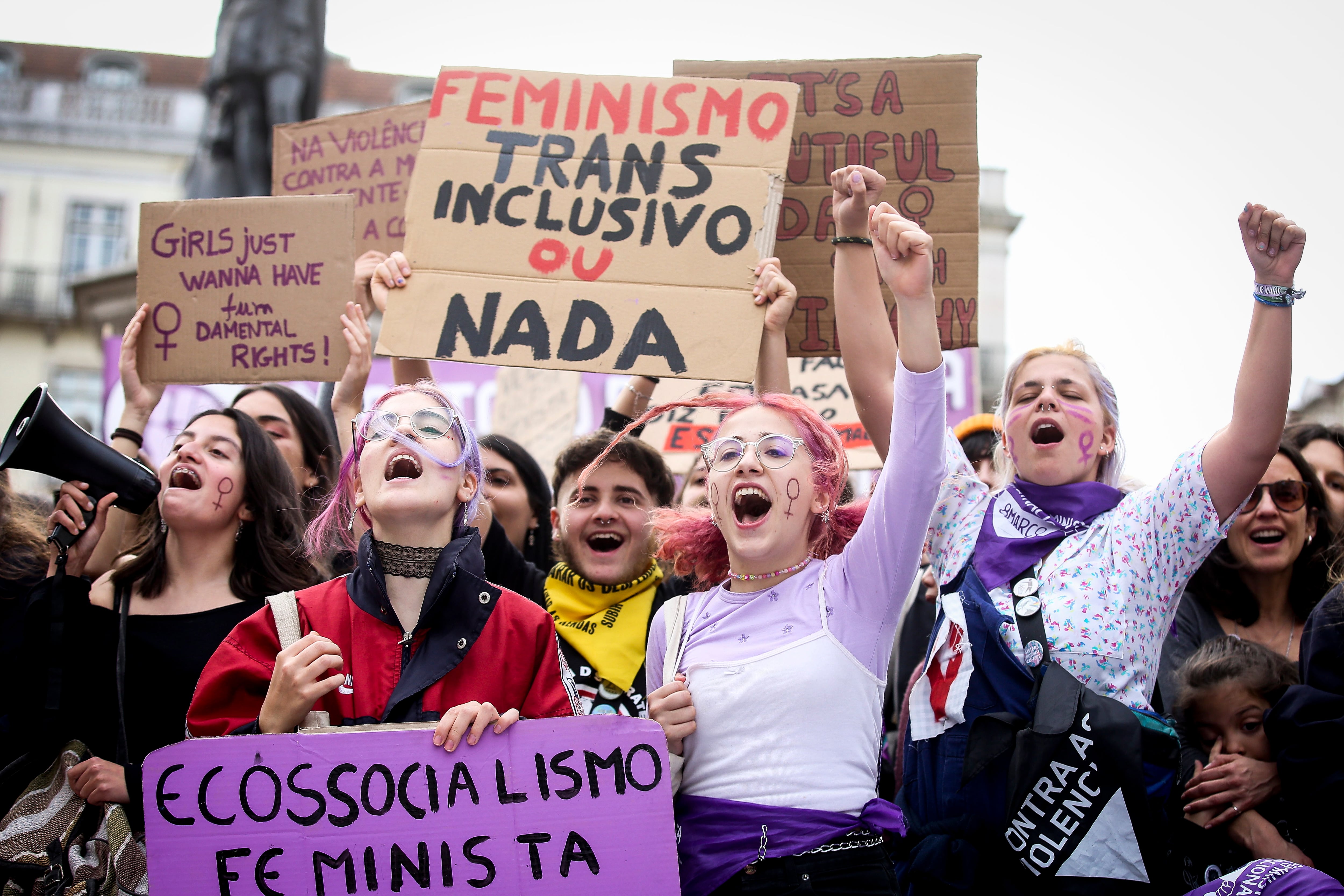
The Portuguese Parliament is embroiled in a heated debate and a series of legislative efforts aimed at significantly altering the country’s 2018 gender identity law. Led by right-wing parties including PSD, Chega, and CDS/PP, the push seeks to revoke or modify the law, which allows individuals to self-identify their gender without medical or judicial approval. This move has ignited widespread condemnation from LGBTQ+ advocacy groups, medical professionals, and international organizations, raising serious concerns about potential restrictions on transgender rights and access to healthcare.
The core of the controversy revolves around a proposed overhaul of the existing legislation, initially praised for its progressive stance on gender identity. Conservative parties argue the law is ideologically driven and harmful to transgender individuals, citing a lack of scientific justification and concerns about potential negative impacts on mental health. Several sources highlight the specific proposals, including mandatory medical assessments for gender marker changes and prohibitions on hormone blockers for minors, echoing concerns raised by European organizations. The Left Bloc has even filed a complaint with the United Nations, alleging a violation of international obligations. This legislative battle reflects a growing political tension within Portugal regarding LGBTQ+ rights and highlights a significant shift in policy that could have serious legal and social consequences for the transgender community.
Summarized from the sources above. Read the originals for the full story.
Highlights
Proposed Law Revokes Gender Identity Rights
Multiple Portuguese parties are attempting to repeal the 2018 gender identity law, arguing it's ideologically driven and harmful to transgender rights, sparking widespread concern.
Medical Opposition to Dangerous Legislation
Portuguese doctors strongly oppose the proposed changes, citing concerns about potential negative impacts on the mental health of a vulnerable population and misalignment with international evidence.
European Organizations Condemn Restrictions
European organizations have raised serious concerns about the proposed legislation, including mandatory medical assessments and prohibitions on hormone blockers for minors, fearing significant restrictions on transgender rights.
Parliamentary Debate Highlights Legal Challenges
The Portuguese Parliament is actively debating changes to the law, focusing on reversing previous rules and raising concerns about potential legal challenges and discrimination against the trans community.
Transgender Individuals Feel Misrepresented
Transgender individuals in Portugal feel they are being misrepresented and targeted by the proposed legislation, expressing frustration and concern about the future of their rights.
Perspectives
- Most sources agree that proposed changes to the gender identity law represent a setback for transgender and intersex rights in Portugal.
- There is a widespread concern that the proposed legislation is ideologically driven and lacks scientific justification.
- The core issue revolves around the revocation or alteration of the 2018 gender identity law, which has been praised for its progressive stance.
- Multiple parties, including doctors and European organizations, are voicing strong opposition to the proposed changes.
Público, New (EU) frame the debate around ‘gender ideology’ as a harmful, unfounded concept pushed by the right-wing, suggesting it’s a manufactured issue.
Público, New
Público frames the issue as a genuine concern about protecting transgender and intersex rights, arguing against the use of the ‘gender ideology’ label as a distraction.
Público
The PSD, Chega, and CDS/PP parties and European organizations advocate for mandatory medical assessments for gender marker changes and prohibiting hormone blockers for minors, citing concerns about potential harm.
Público, Organizações europeias
Critics argue that requiring medical intervention undermines self-determination and isolates the trans diaspora.
Público