Rocket Launch Attempt Thwarted: Weather a Key Factor
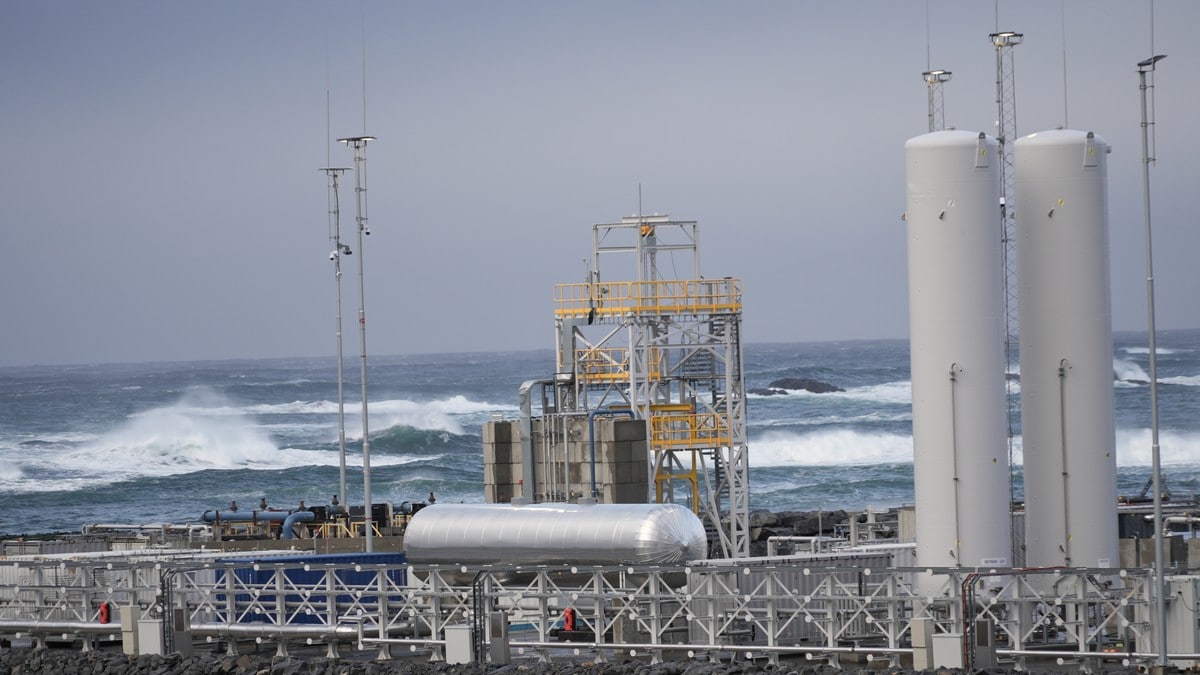
A planned rocket launch on Andøya Island was abruptly canceled on Monday due to unexpectedly strong westerly winds, a stark reminder of the weather’s critical influence on space operations. This postponement has immediate ramifications for the country’s space program and the timeline of upcoming missions. The event’s cancellation followed a previous failed launch, adding to existing concerns.
The launch, intended to test a new satellite technology developed by the Norwegian company, Kongsberg Defence & Aerospace, was being closely watched by international observers. The previous failed attempt last month raised serious questions about the rocket’s reliability and the operational readiness of the Andøya Space Center. Experts believe the strong winds posed a significant risk to the rocket’s trajectory and the safety of personnel on the island. This latest setback underscores the challenges of operating in Norway’s northern environment, which is known for its volatile weather patterns. Officials are now assessing the damage to the rocket and planning for a revised launch schedule, aiming to regain momentum for the country’s ambitious space ambitions.
Summarized from the sources above. Read the originals for the full story.
Highlights
Rocket Launch Canceled by Winds
Strong westerly winds forced the cancellation of a planned rocket launch on Andøya Island, emphasizing the weather's impact on space operations.
Launch Attempt Raises Concerns
A previous failed launch has heightened concerns about potential technical issues during tonight's attempted launch from Andøya Island.
Weather's Role in Space Exploration
The postponement underscores the critical role of weather conditions in the success of space missions and operations.
Testing New Technologies
Tonight's launch is a crucial opportunity to test new technologies and evaluate future space exploration capabilities.
Implications for Norway & Europe
A successful launch could have significant implications for Norway and the broader European space landscape.