Schröder Urges SPD to Revise Economic Agenda
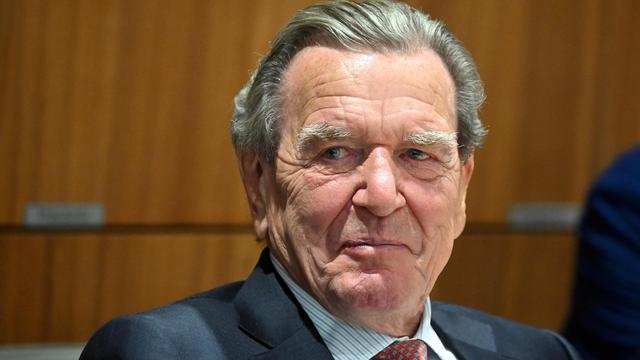
Following disappointing election results, former German Chancellor Gerhard Schröder is aggressively advising the Social Democratic Party (SPD) to undertake radical economic reforms, directly challenging the party’s leadership and advocating for a ‘new agenda.’ This intervention introduces a significant element of uncertainty regarding the SPD’s future strategy and policy direction.
Schröder’s criticism centers on what he perceives as the SPD’s detachment from core issues of employment and its reliance on a ‘doppelte Spitze’ – a dual leadership structure he believes is ineffective. He argues the current leadership is prioritizing less pressing concerns, a sentiment echoed by his former wife, Schröder-Köpf, who joined the debate. This push for reform comes amidst a period of political instability for the SPD, following several state election losses. Simultaneously, other political figures, including Health Minister Spahn and President Steinmeier, are publicly criticizing the government’s actions, further complicating the SPD’s position and highlighting broader divisions within the German political landscape. Schröder’s intervention is seen as a desperate attempt to regain influence and steer the party back towards its traditional social democratic values.
Summarized from the sources above. Read the originals for the full story.
Highlights
Schröder Urges SPD Reforms
Former Chancellor Schröder is calling for bold economic reforms and a ‘new agenda’ within the SPD following recent electoral losses.
Criticism of SPD’s Focus
Schröder accuses the SPD leadership of prioritizing issues beyond core employment concerns, labeling it ‘Beschäftigung mit Nebenthemen’.
Doubts on ‘Doppelte Spitze’
Schröder criticizes the SPD’s ‘doppelte Spitze’ (dual leadership) structure as flawed.
SPD’s Response Under Scrutiny
The SPD’s direction is being questioned due to Schröder’s intervention and the party’s recent election performance.
Political Developments in Germany
Schröder’s calls for reform coincide with other political developments, including a climate protection program and tensions with the President.