UN Declares Slave Trade ‘Gravest Crime Against Humanity’
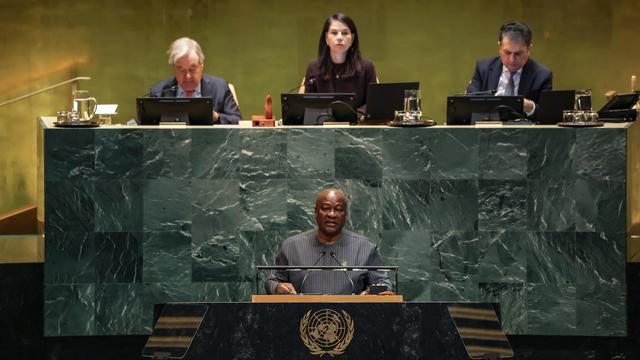
Ghana has proposed a resolution at the United Nations declaring the transatlantic slave trade the ‘most serious crime against humanity.’ The resolution, supported by the African Union and garnering votes from 123 nations, aims to formally recognize the injustice and potentially lead to reparations. The United Nations General Assembly formally adopted this resolution on March 25, 2026.
The resolution, spearheaded by Ghana, acknowledges the suffering of an estimated 12.5 million people who were victims of the transatlantic slave trade over 300 years. Several nations, including the United States, Israel, and Argentina, voted against the resolution, while many others abstained. Despite this opposition, the resolution represents a significant step in addressing the historical injustice and its ongoing impact. The resolution calls for dialogue regarding reparations for descendants of enslaved people. The United Nations’ decision reflects growing international concern over human trafficking and exploitation, and the need to combat modern forms of slavery. The resolution highlights ongoing debates about historical injustices and their modern-day implications.
Summarized from the sources above. Read the originals for the full story.
Highlights
UN Recognizes Slave Trade as ‘Crime Against Humanity’
The United Nations General Assembly formally recognized the transatlantic slave trade as the ‘most serious crime against humanity,’ driven by a resolution spearheaded by Ghana.
Ghana Leads UN Resolution on Slavery
Ghana introduced a UN resolution declaring the enslavement of Africans as ‘the most serious crime against humanity,’ backed by the African Union.
US Opposes UN Resolution on Slavery
The United States opposed the UN General Assembly’s resolution recognizing the transatlantic slave trade as ‘the most serious crime against humanity’.
Resolution Aims for Reparations and Accountability
The resolution seeks to acknowledge the lasting consequences of the transatlantic slave trade and potentially lead to apologies and reparations.
Benin’s Absence from Vote Raises Concerns
Benin’s absence from the UN vote on the slavery resolution was attributed to a ‘malfunction,’ sparking criticism.
Perspectives
- Most sources agree that Ghana is pushing for a UN resolution recognizing the transatlantic slave trade as a ‘crime against humanity’.
- A central goal is to initiate a global conversation about compensation and historical accountability.
- Several nations, including the African Union, support Ghana’s initiative at the UN.
- The resolution reflects a broader global review of colonial abuses and their lasting impact.
Ghana and its supporters frame the slave trade as the ‘greatest moral tragedy of human history’ and a ‘crime against humanity,’ demanding reparations.
RFI, El País, Le Monde, ANSA, Le Monde
Other nations (implicitly represented by RTBF) frame the issue as a ‘challenge’ requiring a nuanced approach and potentially focusing on contemporary forms of slavery rather than solely historical reparations.
RTBF
Ghana and its allies advocate for a formal UN resolution, signaling a commitment to action and potential legal consequences.
RFI, El País, Le Monde, ANSA, Le Monde
The framing of the UN debate suggests a more exploratory conversation, with potential implications for international human rights standards but without immediate guarantees of formal action.
RTBF