Wissing Criticizes FDP's "Radical" Approach
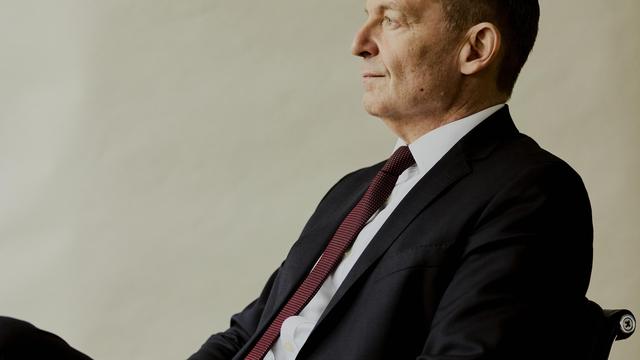
Former FDP leader Volker Wissing has publicly criticized his party’s strategic failures and current direction, particularly ahead of the upcoming Rhineland-Palatinate election. This move has ignited political tensions within Germany, raising concerns about the FDP’s future viability and its role in the governing coalition. The situation is further complicated by internal criticism from within the party itself.
Wissing’s outspoken criticism, amplified by a Spiegel interview and echoed by internal dissent from figures like Michael Wissing, stems from a perceived lack of strategic clarity and a series of policy missteps that have hampered the FDP’s performance in parliament. The party’s struggles have become a focal point for opposition parties, particularly the SPD, who are now supporting calls for reform from the CDU. This internal fracturing is particularly relevant as the FDP heads into a crucial state election in Rhineland-Palatinate, where a shift in strategy is urgently needed to regain voter confidence. The broader implications extend to the stability of the coalition government, as the FDP’s declining influence creates uncertainty about its continued participation.
Summarized from the sources above. Read the originals for the full story.
Highlights
Wissing Criticizes FDP Strategy
Volker Wissing blames strategic errors and past missteps for the FDP's parliamentary failures and suggests a shift in approach is needed.
Wissing's Sharp Criticism
Former Transport Minister Volker Wissing strongly criticized the FDP's current policy in a significant interview, raising concerns about the party's future.
Rhineland-Palatinate Political Tension
Michael Wissing's criticism fuels internal strife within the FDP and broader political debates in Rhineland-Palatinate.
Coalition Government at Risk
Wissing's criticism raises questions about the future of the coalition government and the FDP's role within it.
SPD Backs CDU Reform Calls
SPD politicians are supporting CDU's calls for reform, indicating a wider shift in political opinion.