Gas Prices Surge to Record Highs Across Europe
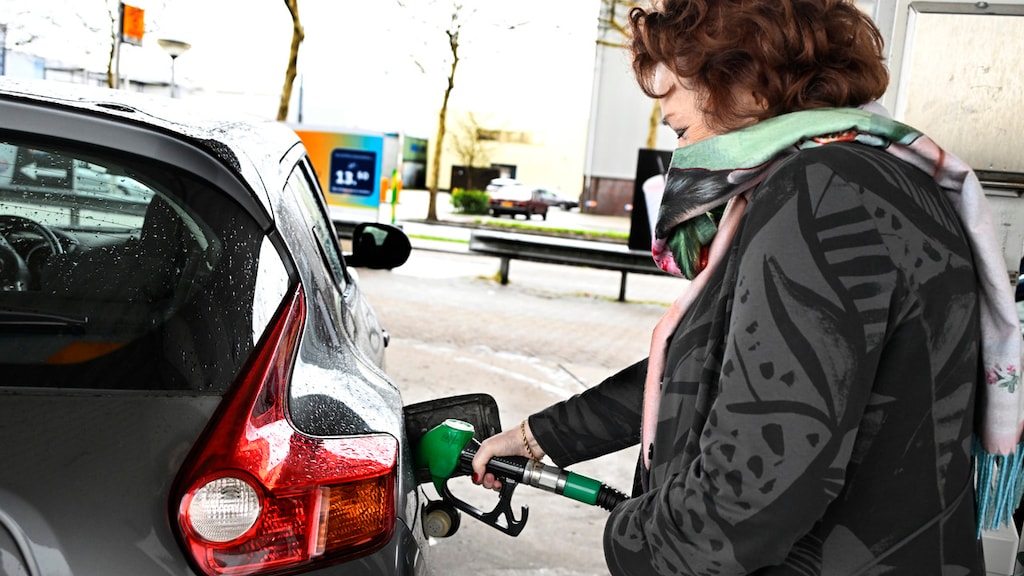
Gasoline and diesel prices in the Netherlands have reached unprecedented levels, hitting record highs of nearly €2.51 per liter. This surge is primarily driven by global energy market volatility and supply chain disruptions, placing significant strain on household budgets and raising concerns about inflation.
The escalating fuel costs are not just impacting individual consumers; they're creating a ripple effect across the Dutch economy. To address the crisis, the government has implemented a temporary maximum price of €1.836 per liter, a move intended to provide some relief but also highlighting the difficulty in controlling volatile global markets. Simultaneously, investigations are underway to understand why Dutch prices are substantially higher than those in neighboring Belgium, with experts pointing to pipeline capacity limitations and increased demand. This disparity is leading to increased traffic congestion at border stations as drivers seek cheaper fuel, and tank station owners are struggling with declining revenues. The situation underscores the broader European energy market fluctuations and the challenges of managing supply and demand in a complex geopolitical landscape.
Summarized from the sources above. Read the originals for the full story.
Highlights
Record Fuel Prices Surge
Gasoline and diesel prices in the Netherlands have reached unprecedented levels, impacting consumers significantly.
Price Cap Implemented
The Dutch government introduced a maximum fuel price of €1.836 per liter to mitigate the impact of rising costs.
Exceeding 2022 Records
Fuel prices have surpassed previous records, including those set in 2022, causing widespread concern.
Cross-Border Fuel Shopping
Increased fuel prices are driving consumers to cross the border to refuel in Belgium, causing congestion.
Dutch Prices Higher Than Belgium
Dutch fuel prices are substantially higher than in neighboring Belgium due to pipeline constraints and import reliance.
Perspectives
- Gasoline and diesel prices in the Netherlands have reached unprecedented high levels.
- The surge is primarily driven by global energy market volatility and supply chain disruptions.
- Fuel prices are impacting transportation costs and consumer spending across both the Netherlands and Belgium.
- Rising energy costs are causing economic pressures and raising concerns about inflation.
The Dutch government is implementing a maximum price of €1.836 per liter to mitigate consumer impact.
VRT NWS, NU.nl
The Belgian government is increasing excise taxes on fuel, a move critics argue exacerbates the problem.
RTBF
Higher prices are due to pipeline capacity constraints and increased demand in the Netherlands.
VRT NWS, RTBF
The Netherlands' reliance on gas imports and broader European energy market fluctuations contribute to the price increases.
NU.nl, RTBF
Rising fuel costs are causing significant disruption and economic losses across Belgium and the Netherlands, impacting transportation and consumer spending.
NOS Nieuws, VRT NWS
Tank station owners are experiencing declining revenues due to government price caps and increased competition.
NOS Nieuws, VRT NWS