Romania's Eurovision entry sparks strangulation controversy
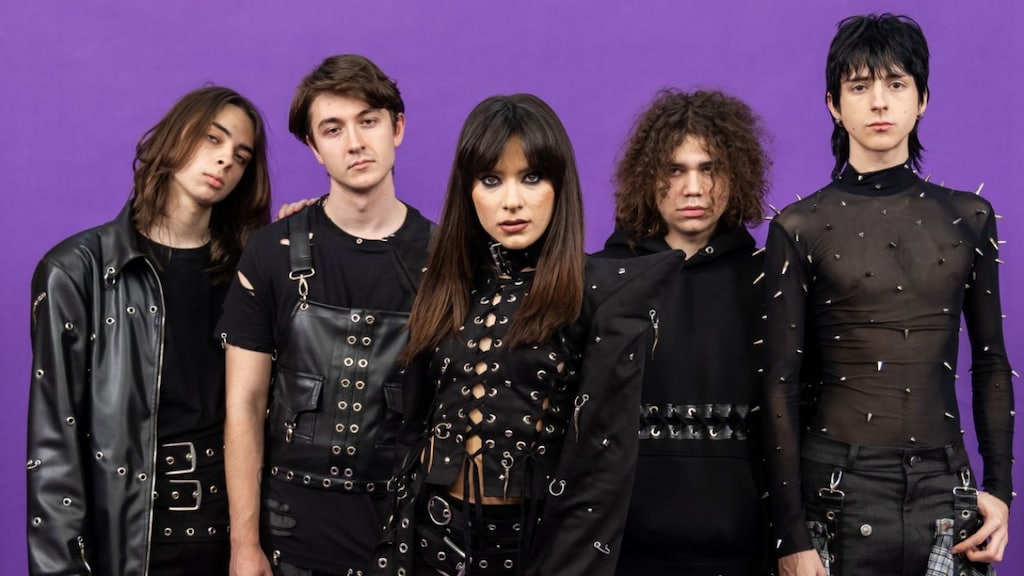
Romania's Eurovision entry, 'Choke Me', has sparked controversy for allegedly promoting sexual strangulation, a dangerous practice. Critics argue the song's repetitive lyrics could endanger young women.
The backlash against the song has gained momentum online, with activists calling for a ban on the entry. Organizations argue that the song's lyrics, which repeat 'choke Me' 30 times, glamorize reckless and potentially harmful sexual practices. The controversy has raised questions about the appropriateness of such themes in a public music competition like the Eurovision Song Contest.
Summarized from the sources above. Read the originals for the full story.
Highlights
Criticism for Glorifying Dangerous Practices
Romania's Eurovision song 'Choke Me' is criticized for allegedly glamorizing sexual strangulation, a dangerous practice.
Calls for Ban on Eurovision Entry
Activists are calling for a ban on Romania's Eurovision entry, 'Choke Me,' due to its reckless lyrics.
Online Controversy Gains Traction
The controversy surrounding 'Choke Me' has gained significant traction online.
Promotion of Violence Against Women
Critics argue that the song promotes violence against women and disregards the well-being of young women.
Questions About Appropriateness in Public Competition
The song's controversial content has raised questions about the appropriateness of such themes in a public music competition.
Perspectives
- Romania's Eurovision song 'Choke Me' faces criticism for glorifying sexual strangulation.
- Activists argue the song's lyrics are dangerous and reckless.
- The controversy has gained traction online.
The song is reckless and could endanger young women.
The Guardian Europe, Der Spiegel, RTL Nieuws
The song's controversial content raises questions about appropriateness in a public competition.
Der Standard