Germany's Repair Right Law Takes Effect, Saving Resources.
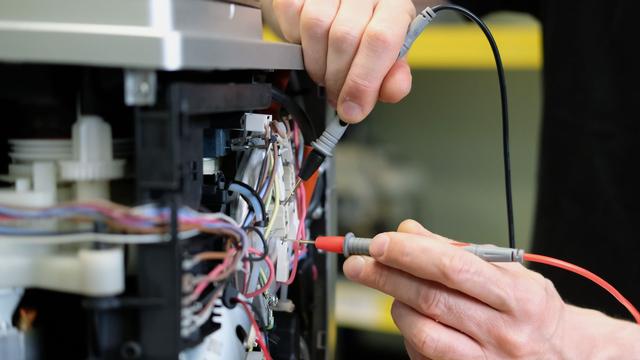
Germany has just enacted a groundbreaking ‘right to repair’ law, forcing manufacturers to provide the necessary parts, tools, and information to independent repair shops. This bold move is designed to combat electronic waste and shift consumer behavior towards extending the lifespan of products rather than immediately replacing them.
The legislation, championed by environmental groups and consumer advocates, responds to a growing concern about the mountains of discarded electronics and appliances. Specifically, the law targets common household items like washing machines, refrigerators, and smartphones, recognizing that many of these products are designed with planned obsolescence. By mandating manufacturers to support repair efforts, Germany hopes to foster a more sustainable and circular economy, reducing the demand for new products and minimizing the environmental impact of manufacturing. Experts predict this will lead to a surge in independent repair shops and potentially lower repair costs for consumers, though manufacturers may initially resist the shift in their business models. The long-term success of the law will depend on its effective enforcement and the willingness of both manufacturers and consumers to embrace the repair culture.
Summarized from the sources above. Read the originals for the full story.
Highlights
Germany Enacts Right to Repair
Germany has passed a landmark law granting consumers the right to repair products like washing machines and smartphones, aiming to combat electronic waste and promote longevity.
Government Mandates Repair Access
The German government's new legislation requires manufacturers to provide parts, tools, and information to independent repair shops, fostering a shift in the consumer electronics industry.
Sustainability Drives New Legislation
The ‘right to repair’ law is driven by a desire to reduce waste and encourage manufacturers to design products with repairability in mind.
Consumer Costs Potentially Reduced
The law is expected to lower repair costs for consumers by shifting responsibility towards manufacturers and repair shops.
Corporate Responsibility Gains Traction
Germany’s move reflects growing pressure on corporations to prioritize product durability and consumer rights.
Perspectives
- Germany has enacted a ‘right to repair’ law.
- The law aims to reduce electronic waste.
- Manufacturers must provide repair resources to consumers.
- The legislation promotes repair over replacement.