Reiche Challenges EU's Climate Goals, Sparks Outrage
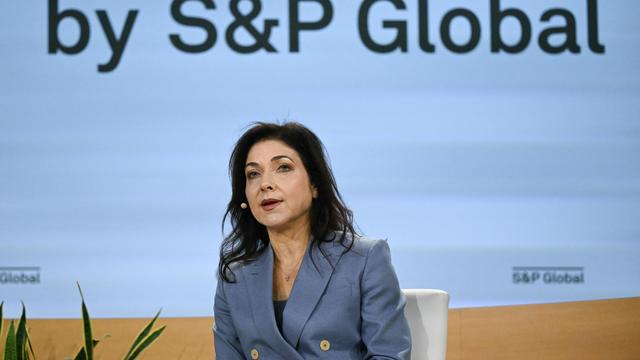
German Economics Minister Katherina Reiche is causing a major stir within the European Union by advocating for a significant reduction, potentially up to 10%, of the 2050 climate neutrality target. Her controversial stance, fueled by concerns about fuel shortages and economic priorities, is challenging the EU’s established climate policy and raising questions about Germany’s commitment to ambitious environmental goals.
Reiche’s arguments stem primarily from the escalating conflict between Iran and Iraq, which she believes will severely disrupt global fuel supplies, directly impacting the EU’s transition to renewable energy. This perspective contrasts sharply with the broader EU consensus, which remains firmly committed to the 2050 target, driven by international agreements and scientific projections. Critics argue that Reiche’s proposal represents a dangerous rollback on climate action and could undermine Germany’s leadership role within the EU. Furthermore, the debate highlights a growing tension between economic competitiveness and environmental sustainability, a recurring theme in German policy-making. The situation underscores the vulnerability of Europe’s energy security and the complex interplay of geopolitical factors influencing climate policy decisions.
Summarized from the sources above. Read the originals for the full story.
Highlights
Reiche Demands EU Target Shift
German Minister Katherina Reiche is advocating for a relaxation of the EU's 2050 climate neutrality target, citing fuel shortages.
EU Consensus Under Threat
Reiche's comments represent a significant departure from the EU's consensus and fuel a debate about balancing climate goals with economic growth.
Germany Challenges 2050 Deadline
Reiche is directly challenging the EU's 2050 climate neutrality target, proposing a 10% reduction.
Germany Prioritizes Economic Needs
Reiche argues that Germany's economic needs should take precedence, questioning the feasibility of the 2050 target.
Germany's 2045 Net-Zero Plan
Germany is aiming for net-zero carbon emissions by 2045, reflecting a commitment to a sustainable economy.
Perspectives
- Most sources agree Katherina Reiche is advocating for a revised EU climate target.
- The core issue is the impact of geopolitical instability, particularly the Iran-Iraq war, on energy supplies.
- Germany’s ambition to achieve net-zero by 2045 is a key point of discussion.
- There's a shared concern about balancing climate goals with economic realities.
Reiche and Spiegel/Politico/Zeit Online argue for a more flexible timeline, citing immediate energy shortages as justification for delaying the 2050 target.
Der Spiegel, Politico EU, ZEIT Online
Público and New argue for maintaining the 2050 target, emphasizing the need for long-term commitment and aligning with international agreements.
Público, New
Reiche and Spiegel/Zeit Online prioritize the German economy’s needs, suggesting a reduced target is necessary for economic stability.
Der Spiegel, ZEIT Online
Público and New emphasize the importance of prioritizing environmental goals and international commitments regardless of economic concerns.
Público, New