German Climate Plan Approved by Cabinet
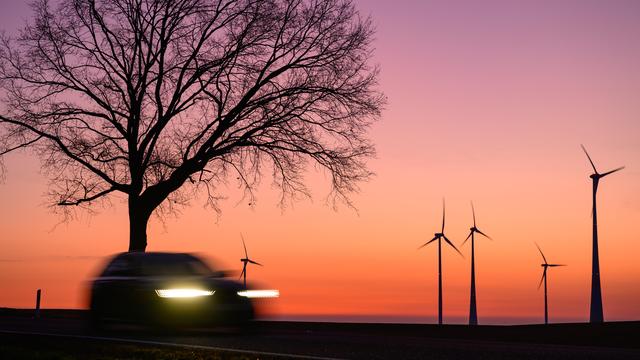
The German government has announced a substantial new climate protection program, committing to net-zero emissions by 2045 and allocating €8 billion over four years. This move comes amid growing concerns that Germany is falling short of its legally mandated climate targets and faces potential legal challenges.
The program’s core focuses on significant investments in renewable energy, particularly wind power, alongside incentives for electric vehicle adoption. However, the initiative has already drawn criticism from the opposition, who argue the scope of the plan is insufficient to truly address Germany’s emissions problem. Furthermore, the government’s ambition to reduce greenhouse gas emissions by 65% by 2030 compared to 1990 levels highlights the urgency of the situation, particularly as environmental groups like Fridays for Future express deep dissatisfaction with the current strategy. The program’s success will be closely watched, as failure to meet its goals could lead to further legal action and damage Germany’s international reputation regarding climate commitments. Interestingly, alongside this climate action, reports also surfaced regarding Israel’s ongoing strategy within the South Lebanon conflict, illustrating the complex interplay of domestic and international challenges facing the nation.
Summarized from the sources above. Read the originals for the full story.
Highlights
New Climate Program Announced
The German government launched a comprehensive climate protection program with the goal of net-zero emissions by 2045.
Environmental Groups Demand Action
Environmental organizations criticized the initial plan, demanding stronger commitments and increased emission reduction targets.
Legal Pressure Increases
The government faces potential lawsuits due to slow progress in meeting emission reduction obligations.
€8 Billion Investment Approved
The new climate program secures an additional €8 billion over four years for implementation.
Germany Risks Missing Targets
Germany is at risk of failing to meet its climate goals, prompting the urgent implementation of a new program.