Germany’s Climate Plan Faces Criticism and Questions
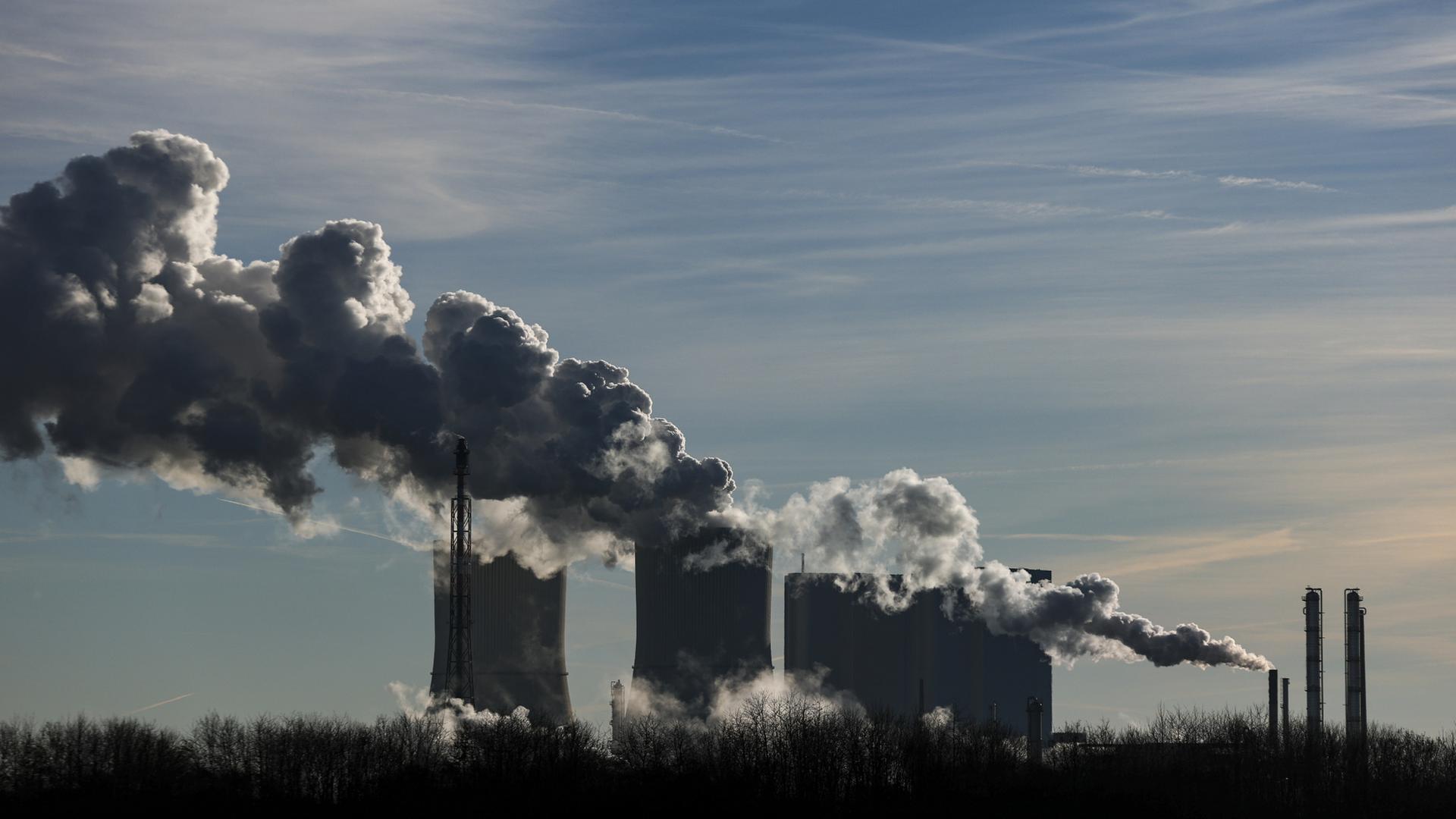
Germany has announced a substantial new climate plan, primarily focused on expanding renewable energy sources like wind power and electric vehicles, alongside investments in energy storage. This initiative represents a key step in the country’s commitment to reducing carbon emissions and transitioning to a greener economy. However, the plan has already sparked considerable debate and criticism regarding its scope and effectiveness.
The core of the plan, formalized through the Erneuerbaren-Ausbau-Beschleunigungsgesetz (EABG), involves accelerating the construction of wind, solar, and energy storage facilities, aiming to significantly increase Germany’s investment in these sectors. Despite the government’s stated ambition, skepticism remains, particularly from researchers like Dr. Höhne, who believes current measures may fall short of meeting Germany’s ambitious climate goals. Critics argue the funding is insufficient to address the scale of the climate crisis and that the strategy lacks the necessary urgency. The agreement follows months of intense negotiations between political parties, highlighting the complex challenges involved in enacting significant climate policy changes within a politically diverse nation. The success of the plan hinges on securing sufficient investment and overcoming logistical hurdles associated with rapid infrastructure development.
Summarized from the sources above. Read the originals for the full story.
Highlights
Germany's Climate Plan Unveiled
Germany announced a substantial climate plan focused on renewable energy expansion and electric vehicle promotion, sparking debate about its adequacy.
Critics Question Plan's Scope
Researchers and critics argue Germany’s climate plan doesn’t sufficiently address the urgency of the climate crisis and its goals.
Agreement Reached on Renewable Law
The German government finalized a law to expedite the construction of wind, solar, and energy storage facilities, bolstering its green energy transition.
Renewable Investment Sparks Debate
Germany’s investment in wind and electric vehicles is generating controversy, with some questioning its effectiveness and long-term impact.
Concerns Over Strategy Effectiveness
Climate scientists express skepticism that current measures, like mixed forests and greener fuels, will be sufficient to meet Germany’s climate goals.
Perspectives
- Germany is proposing a significant shift away from oil and gas.
- The plan focuses on expanding renewable energy sources like wind and electric vehicles.
- The government has reached an agreement on a new renewable energy law.
- Germany aims to transition to a greener economy and reduce carbon emissions.
Some sources argue the plan doesn't go far enough to achieve ambitious climate goals.
EurActiv, DW English, DW Deutsch, tagesschau
Others believe the funding is insufficient to address the scale of the climate crisis.
DW English, DW Deutsch
Researchers and climate scientists believe current measures may not be sufficient to meet Germany’s climate goals.
tagesschau
The government and supporters argue the plan is a crucial step towards meeting emissions targets.
DW English, DW Deutsch, Der Standard