Half Workers Paid Under New Union Contract
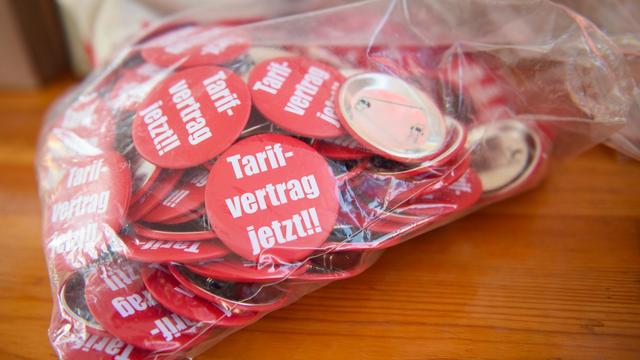
A concerning trend is emerging in Germany’s labor market: the percentage of workers covered by collective bargaining agreements (Tarifverträge) has dramatically declined, falling to just 49% in 2025. This significant drop raises serious questions about the future of union influence and the protection of worker rights within the German economy. Experts are already debating the implications for wage negotiations and broader labor standards.
The decline in tariff compliance is particularly stark when compared to the 1990s, when 85% of employees were part of unionized workplaces. Several factors are contributing to this shift, including the rise of the gig economy and precarious employment, where traditional collective bargaining agreements don’t apply. Furthermore, some industries, such as the tech sector and parts of the service industry, have seen a deliberate move away from union representation. This reduced coverage means fewer workers benefit from negotiated wages, benefits, and protections, potentially exacerbating income inequality. Union leaders are now facing pressure to adapt their strategies and engage with a workforce increasingly wary of traditional union models, while economists are analyzing the long-term consequences for Germany’s economic stability and competitiveness.
Summarized from the sources above. Read the originals for the full story.
Highlights
Low Tariff Compliance in Germany
Only 49% of German workers in unionized businesses are currently adhering to collective bargaining agreements, a concerning trend impacting labor standards.
Significant Decline in Tariff-Bound Workers
The percentage of workers paid under collective bargaining agreements has dramatically decreased from 85% in the 1990s to just 49% in 2025.
Union Effectiveness Under Scrutiny
The low compliance rate raises questions about the effectiveness of current union strategies and their ability to protect worker wages.
Industry Disparities Highlighted
Significant disparities in tariff compliance exist across various industries, adding complexity to labor relations.
Need for Dialogue and Revised Agreements
The stagnation in tariff compliance underscores the urgent need for renewed dialogue and potentially revised collective bargaining agreements.