Chemical and pharmaceutical workers secure higher wages.
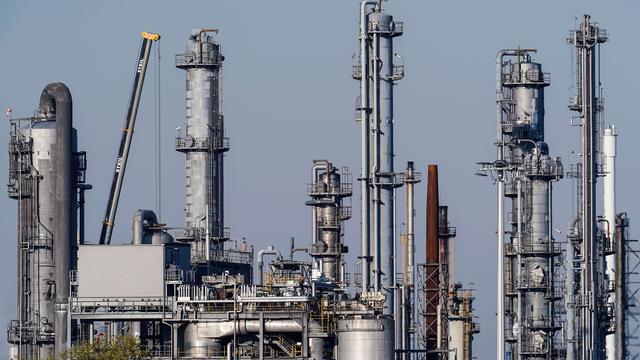
After intense negotiations, Germany’s chemical and pharmaceutical industries have reached a collective bargaining agreement, securing a 4.5% wage increase for over 585,000 workers. This breakthrough follows a period of escalating disputes and potential disruptions within the sector, signaling a key development in the German economy.
The agreement, finalized after two days of talks, includes staged wage increases and payments for job security, a crucial element given the current economic downturn impacting the chemical industry. While the initial wage increase of 4.5% will be implemented in two stages, the significance of this deal lies in its avoidance of a strike – a rare achievement considering the industry’s challenges. Experts believe this agreement could set a precedent for other labor negotiations across Germany, particularly in sectors facing similar inflationary pressures and worker demands. The resolution also addresses long-standing concerns about employee compensation within the industry, which has been marked by protracted disputes and potential supply chain vulnerabilities. Furthermore, the deal represents the first major labor agreement in this sector in over fifty years, highlighting the unions’ successful advocacy and the industry’s willingness to compromise.
Summarized from the sources above. Read the originals for the full story.
Highlights
Wage Increase Agreement Reached
German chemical and pharmaceutical workers secured a new collective bargaining agreement resulting in a 4.5% wage increase for over 585,000 employees.
Prolonged Negotiations Intensify
Escalating negotiations between unions and employers in the chemical industry highlight a critical dispute over wages and working conditions with potential economic consequences.
Historic Labor Agreement Achieved
The new agreement marks the first major labor agreement reached in the chemical sector in over 50 years, representing a significant union victory.
Addressing Inflation and Compensation
The wage increases aim to address rising inflation and employee compensation concerns within the chemical and pharmaceutical industries.
Economic Impact and Precedent
The agreement is expected to impact the broader German economy and potentially set a precedent for other industries facing similar challenges.