EU Leaders Grapple with Ukraine, Energy, and Middle East Crisis
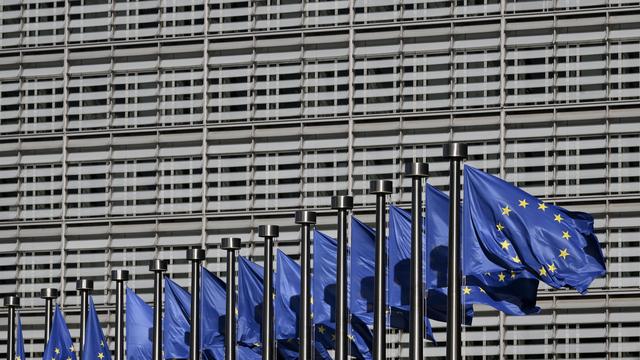
European Union leaders convened in Brussels for a critical summit grappling with a multitude of interconnected crises, including the ongoing conflict in Ukraine, escalating tensions in the Middle East, and a soaring energy crisis driven by the Iran situation. A key point of contention was Hungary’s veto of the €90 billion loan package for Ukraine, highlighting deep divisions within the bloc and threatening to derail efforts to address these complex geopolitical and economic challenges.
The summit’s agenda was dominated by the immediate fallout from the Iran-Israel conflict, with leaders urgently seeking ways to mitigate the impact on European energy supplies and trade. Concerns were raised about potential disruptions to the Strait of Hormuz, a vital global trade route, and the potential for further escalation. Discussions also centered on the EU’s response to Ukraine’s financial instability, exacerbated by rising oil prices, and the need for coordinated action to support the country. Despite the gravity of the situation, the summit ultimately failed to reach a consensus on key decisions, reflecting the deep divisions within the EU and raising serious questions about the bloc’s ability to effectively respond to these multifaceted crises. Several sources highlighted the interconnectedness of these challenges, demonstrating how geopolitical instability in one region could have significant economic repercussions across the entire European Union.
Summarized from the sources above. Read the originals for the full story.
Highlights
Ukraine Aid and Hungarian Opposition
The EU summit focused heavily on providing financial aid to Ukraine, with significant disagreement arising from Hungary’s veto of the €90 billion package due to disputes over a damaged pipeline, highlighting divisions within the bloc.
Energy Crisis and Iran Conflict Dominance
The summit was primarily dominated by discussions surrounding the ongoing war in Ukraine and the resulting energy crisis, with leaders grappling with rising prices and supply chain disruptions.
US-Iran Tensions and Strategic Concerns
Leaders debated the escalating tensions between the US and Iran, particularly concerning the Strait of Hormuz and potential military intervention, reflecting broader geopolitical concerns.
Climate Policy Challenges and Cost Reduction
The EU summit addressed efforts to reduce the costs associated with climate protection measures, driven by rising energy prices and prompting discussions about emissions trading system adjustments.
Internal Divisions and Lack of Coordinated Action
Multiple crises – Ukraine, Iran, energy – led to significant internal divisions within the EU, hindering coordinated action and highlighting the bloc’s challenges in responding to global instability.
Perspectives
- EU leaders are meeting to address multiple crises including Ukraine, Iran, and energy.
- Ukraine’s financial situation and the €90 billion aid package are central concerns.
- Rising energy prices and geopolitical instability are key issues being discussed.
- The summit aims to coordinate a unified EU response to these challenges.
Sources believe a unified €90 billion aid package is crucial for Ukraine’s survival, requiring immediate action.
Politico EU, EU Observer, EurActiv, New
Hungary’s veto threatens the aid package, creating a major obstacle to EU unity and requiring compromise.
Der Standard, tagesschau
Some EU leaders are considering direct intervention in the Iran conflict to de-escalate the situation.
tagesschau
Others are wary of direct intervention, prioritizing diplomatic solutions and avoiding escalation.
Politico EU, EU Observer, EurActiv
The US is prioritizing military action in Iran, creating a divergence in strategic approaches.
Der Standard
The EU is focused on diplomatic solutions and coordinating with international partners.
Politico EU, EU Observer, EurActiv, New